Thermally Modified Lumber
Thermally Modified Wood Is Not New. But It Is Finally Relevant.
Thermally modified wood has been around far longer than most people realize. What’s new is how precisely we’re able to control it, and why it actually matters in today’s building environment.
Long before controlled kilns and engineered processes, people were using fire to improve wood. The Vikings are often credited with recognizing that lightly burning wood, whether for structures or even ship components, helped it last longer in harsh, wet environments. Charring the surface reduced moisture absorption and slowed decay. It wasn’t scientific, but it worked.
That same idea carried forward in different forms, including traditional Japanese shou sugi ban, where the surface of the wood is burned to create a protective carbon layer.
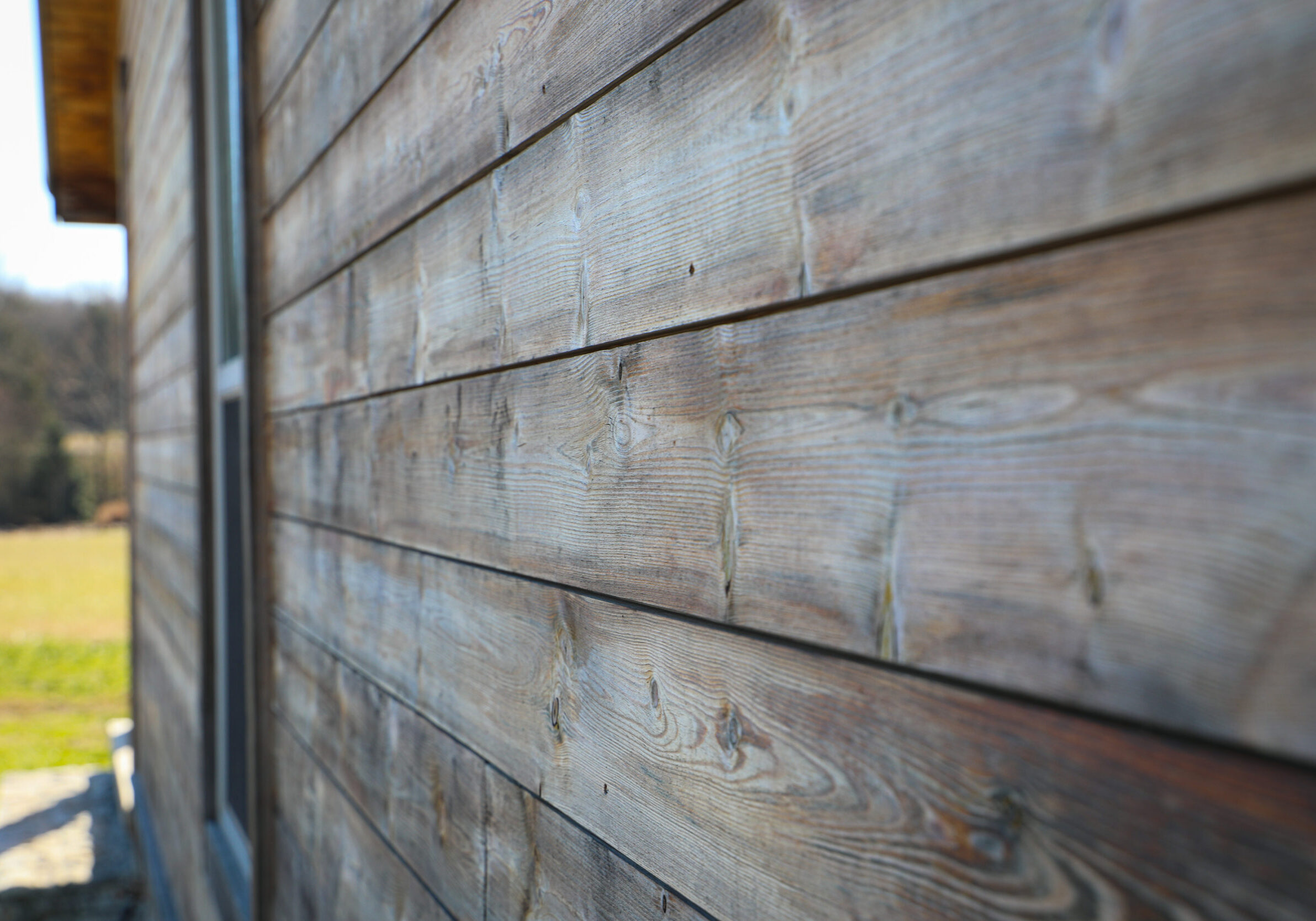
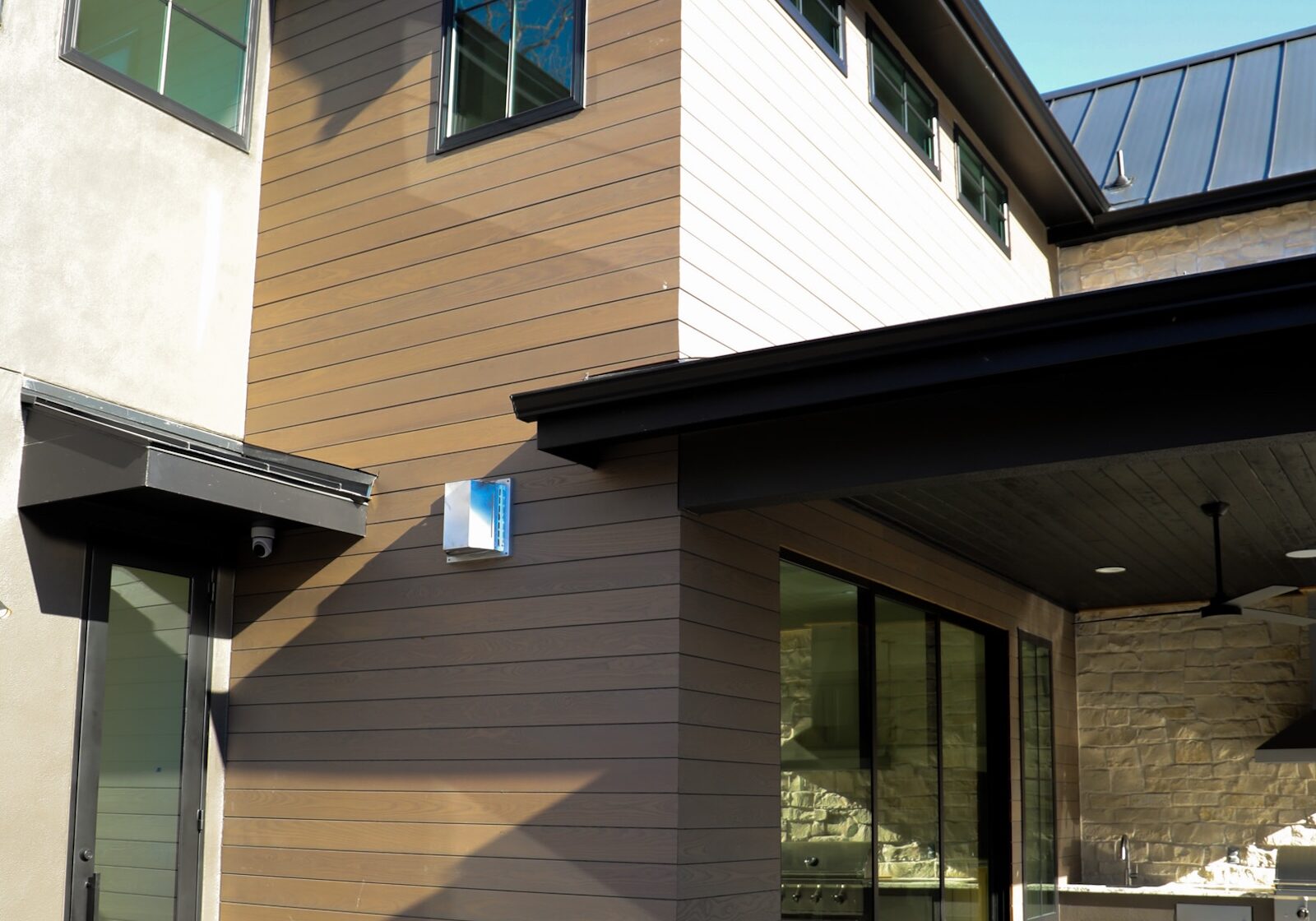
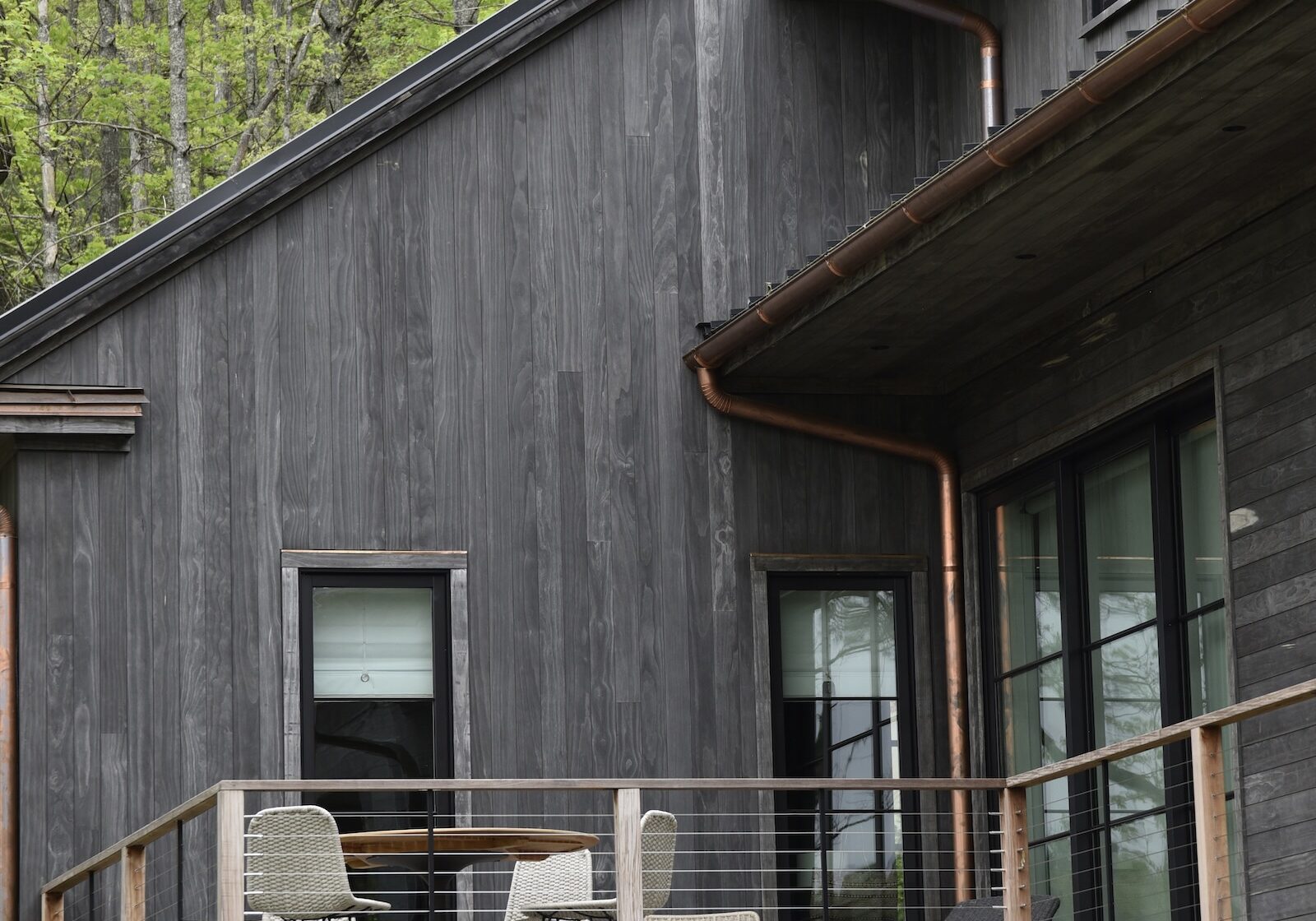
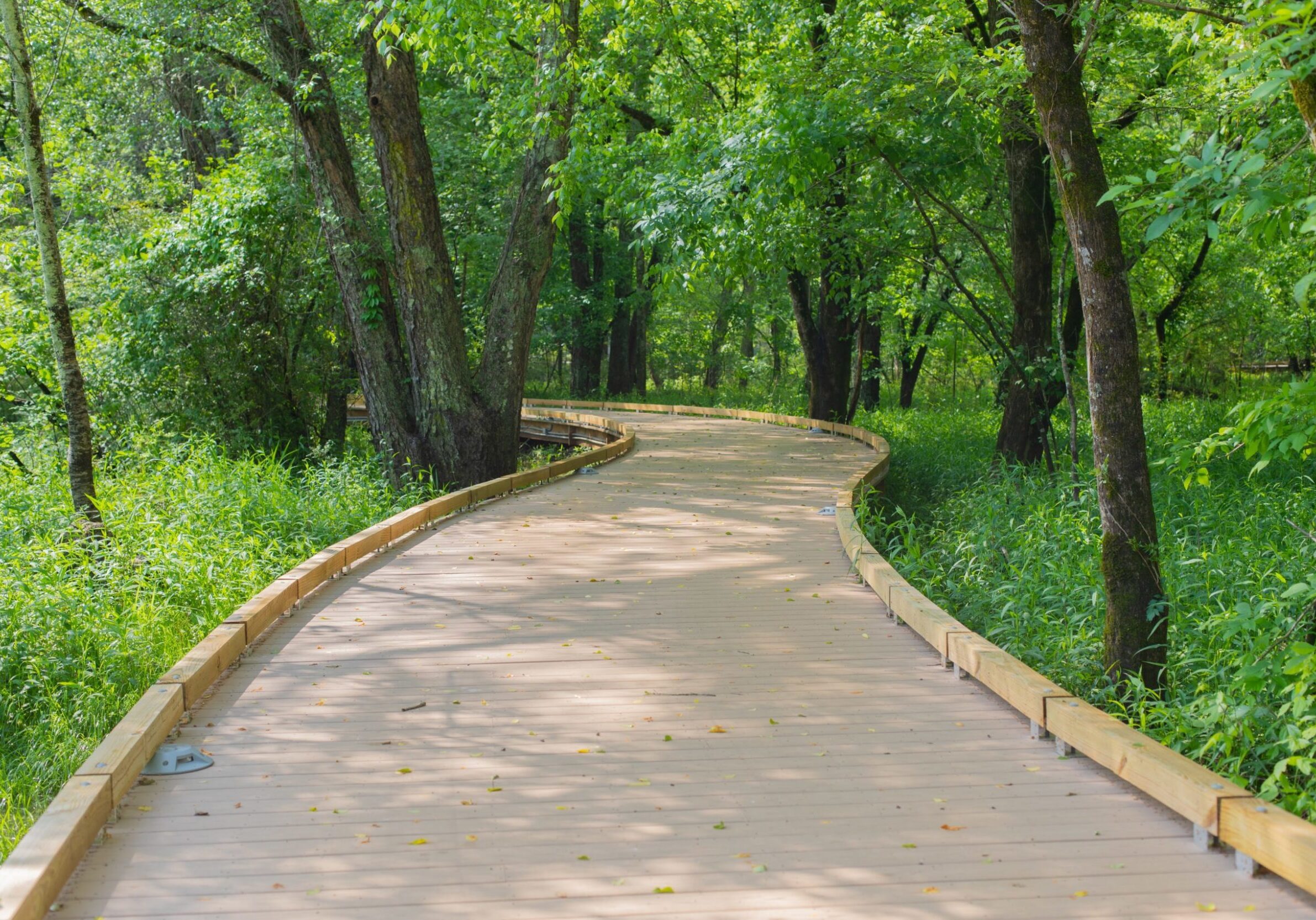
Today, thermally modified wood is engineered, repeatable, and performance-driven. And because of that, it has become a serious material option rather than just an old-world technique.
What Actually Changes Inside the Wood
At its core, thermal modification is about altering the internal structure of the wood, not coating the surface.
The process heats lumber in a controlled, oxygen-deprived environment. No flame, no combustion. Just high heat applied with precision. This is the approach used by manufacturers like Thermory, where the focus is on stabilizing the wood without introducing additional chemicals.
What that does:
- Removes sugars and organic compounds that attract insects and fungi
- Reduces the wood’s ability to absorb moisture
- Stabilizes the cellular structure to limit expansion and contraction
The result is a material that moves less, lasts longer, and performs more predictably in exterior environments. That predictability is what matters most to builders. Less movement means tighter joints, cleaner lines, and fewer callbacks.
Where It Actually Outperforms Traditional Lumber
Thermally modified wood earns its place in areas where moisture cycling and movement cause the most problems:
Cladding and siding - Consistent reveals and shadow lines hold better over time. Less cupping and warping compared to untreated softwoods.
Soffits and ceilings - Stable boards mean fewer gaps opening up in detailed ceiling work.
Decking (select cases) - Better than many softwoods for stability, but still requires thoughtful install. This is not a universal replacement for hardwood decking, but in the right application it performs.
Interior-exterior transitions - When materials carry from inside to outside, stability becomes critical. Thermally modified wood helps maintain that continuity.
Not All “Modified Wood” Is the Same
This is where things get blurred, there are three general approaches:
Heat-only modification - Pure thermal treatment. No added chemicals. Focused on stability and durability, as seen in products from Thermory.
Heat + chemical modification - This is where things get more technical and where performance can take a noticeable step up.
Acetylation changes the wood at a molecular level by replacing hydroxyl groups within the cell walls. In simple terms, it removes the wood’s ability to bond with water. That dramatically reduces swelling, shrinking, and long-term movement. Products like Accoya are known for this level of dimensional stability, which is why they show up in high-detail applications like siding, trim, windows, and doors where tolerances matter.
Furfurylation, used by Kebony, takes a different approach. The wood is infused with a bio-based liquid derived from agricultural waste, then heat-cured. This process thickens and reinforces the cell walls rather than just stabilizing them. The result is a denser, harder material with improved wear resistance and durability, making it a strong option for decking and heavy-use exterior environments.
Surface charring (Shou Sugi Ban / Yakisugi)
This is where the history shows up most clearly. The surface is intentionally burned to create a protective carbon layer. It adds resistance to water, rot, and insects while delivering a distinct aesthetic. But it is a surface treatment, not a full structural modification like the processes above.
Each method solves a different problem. Treating them as interchangeable is where mistakes happen.
The Sustainability Angle That Actually Matters
A lot of materials talk about sustainability. This is one of the few where the argument holds up under pressure.
Thermally modified and chemically modified wood allow fast-growing, widely available species to perform at a much higher level.
Instead of relying exclusively on dense tropical hardwoods, builders can use modified pine, ash, or other species and still achieve durability and longevity.
It is not about replacing hardwoods entirely. It is about expanding the range of viable options with materials that are more accessible and responsibly sourced. As supply chains tighten and lead times stretch, that flexibility matters.
The Tradeoffs Most People Skip Over
No material is perfect, Thermally modified wood is:
- More brittle than untreated wood, which means fastening and handling matter
- Lighter in weight, which can be a benefit or a limitation depending on the application
- Typically higher in cost than standard softwoods, but often less than premium hardwoods
And while it resists moisture, it is not maintenance-free.
If left unfinished, it will naturally silver over time, similar to cedar. If color retention matters, a proper finishing system still needs to be part of the plan.
Where It Fits in a TimberTown Project
At TimberTown, thermally modified wood is not positioned as a one-size-fits-all solution. It is part of a broader material system that includes cedar, hardwoods like ipe, and composites, each with a role depending on the application.
The difference is not just having access to products like Thermory, Accoya, and Kebony. It is understanding how each performs and where it makes sense to use them.
That’s where TimberTown becomes a resource, not just a supplier.
From Austin to Atlanta to Nashville, projects are dealing with different climates, different code requirements, and different expectations around performance. What works for a soffit in Texas heat is not always the same approach you take for a rainscreen system in Georgia or a detailed exterior in Tennessee.
That is where experience matters.
Our team works directly with builders, architects, and designers to help navigate those decisions. Not just selecting a product, but understanding movement, fastening, finishing, and long-term performance before it ever gets to the jobsite.
With in-house custom milling and pre-coating, materials can arrive install-ready, which helps maintain consistency across the build and reduces variables during installation.
With modified wood, like any material, the success is not just in the product. It is in how it is applied.
More Resources
-
Thermory Knotty Pine Exterior | East Nashville, TN
Thermory Knotty Pine Exterior | East Nashville, TN By Black Chandelier Properties This East Nashville home is a strong example of what happens when material…more
-
Thermally Modified Lumber
Thermally Modified Lumber Thermally Modified Wood Is Not New. But It Is Finally Relevant. Thermally modified wood has been around far longer than most people…more
-
Vivid Silver Facade
Vivid Silver Facade By Paradisa Homes Thermory Benchmark Ash in the Vivid Silver finish defines the exterior of this Austin residence by Paradisa Homes. The…more