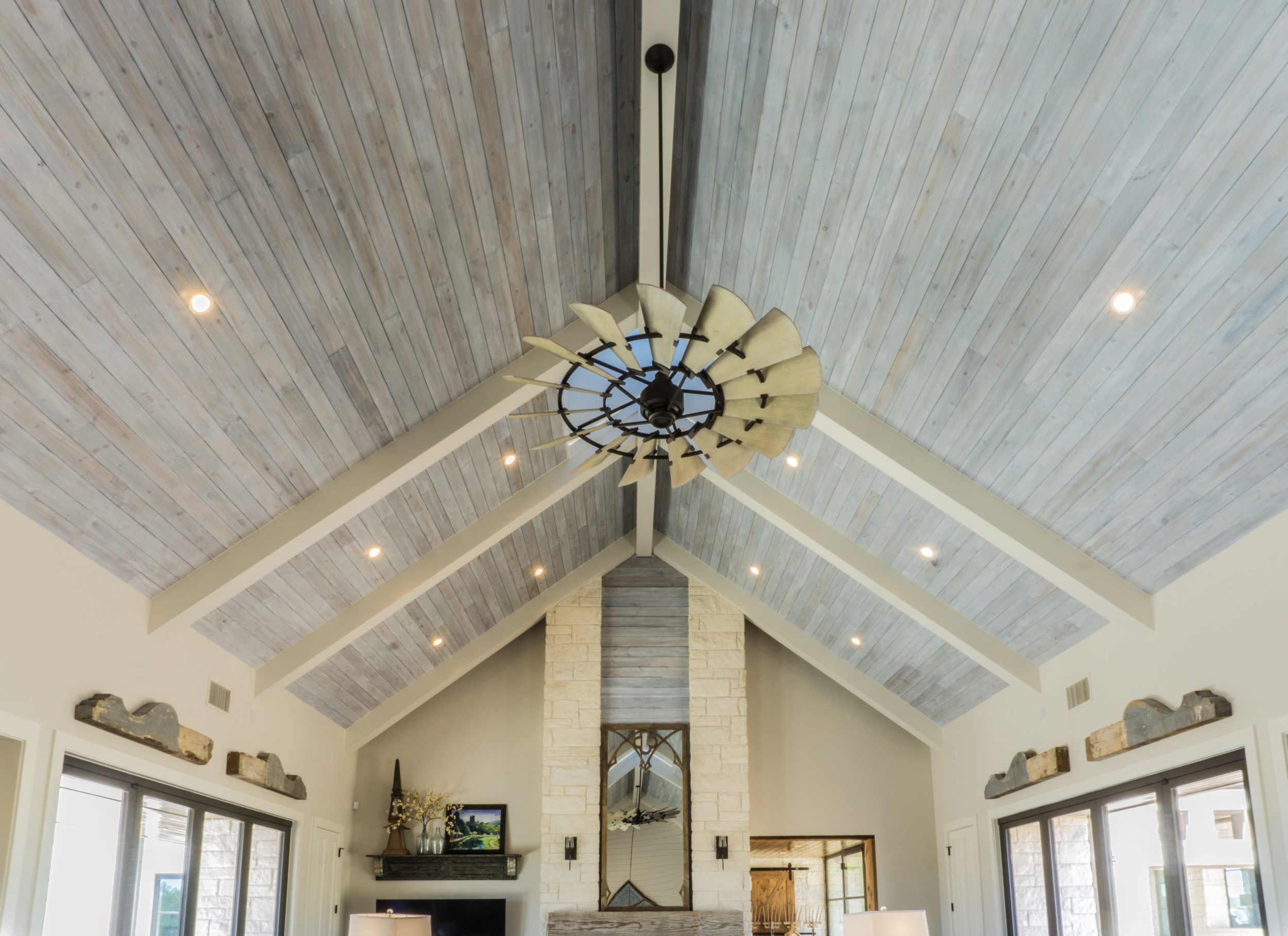
Softwoods Material Guide
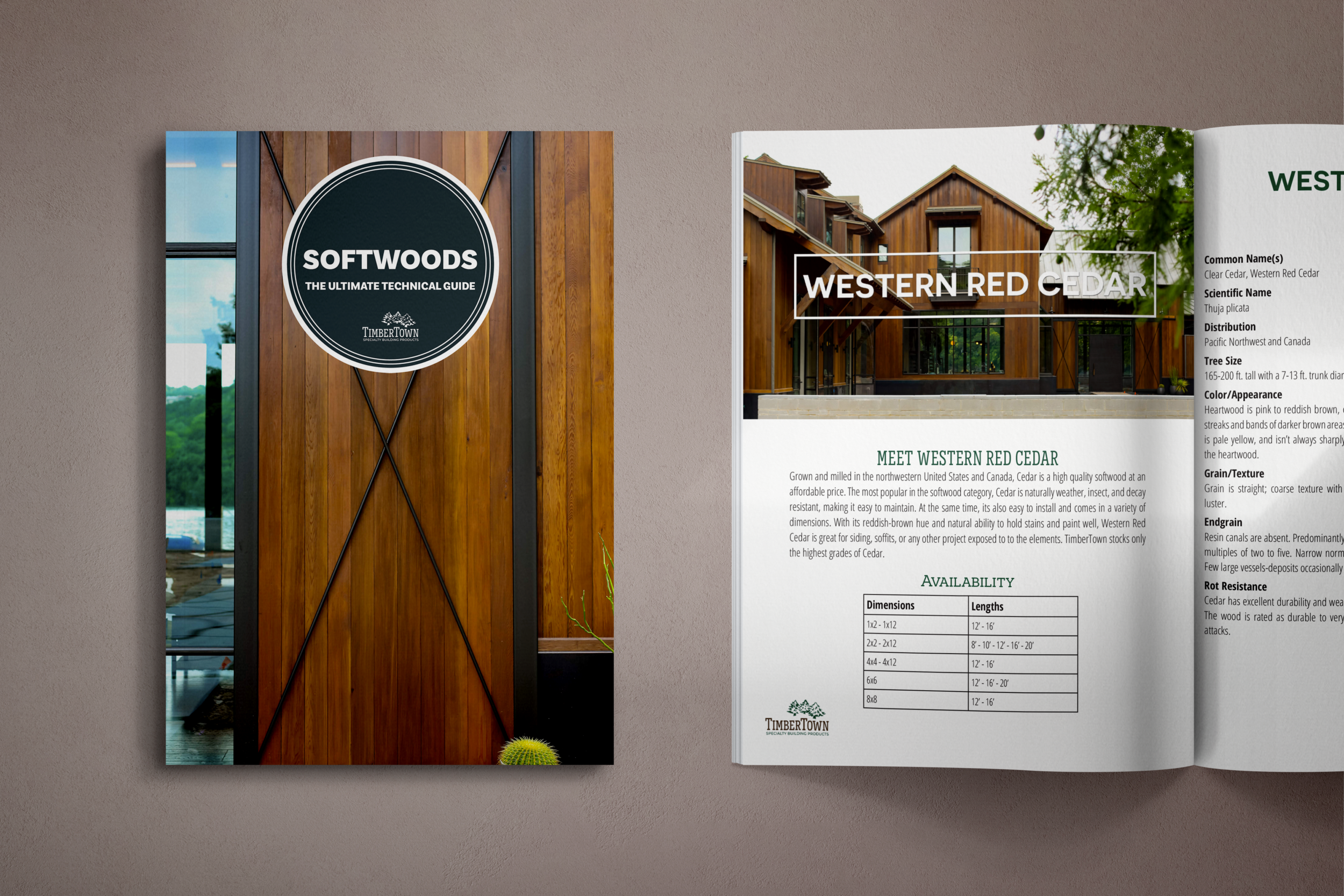
Choosing the right softwood isn’t always straightforward. Species, grade, and application all play a role in how the material will perform once it’s installed.
This guide breaks down common softwood options like Cedar, Redwood, Douglas Fir, Alaskan Yellow Cedar, and Pine, along with where each one tends to work best. Whether you’re comparing for decking, siding, or custom details, it’s built to give you a clearer starting point before you make a decision.
See It Before You Decide
At a glance, many softwoods can look similar, but they perform very differently once installed. Density, grain pattern, and natural oils all play a role in how a material holds up over time. Some species are more stable and resist movement better, while others are easier to work with and take finishes more consistently. Color variation, knot content, and grading also impact the final look, especially across larger runs.
Understanding these differences upfront can help you avoid surprises later, whether you’re working through a full exterior or dialing in smaller details.
Looking at photos or spec sheets only gets you so far. Grain, color, and overall consistency can vary from board to board, especially across different species and grades.
If you’re narrowing down options, it helps to see the material in person and compare side by side. Stop by one of our showrooms in Austin, Atlanta, or Nashville to take a closer look and talk through the details before getting started.