
Western Red vs. Alaskan Yellow Cedar
Which is Right for Your Project?
When comparing Western Red Cedar vs Alaskan Yellow Cedar for siding, soffits, and decking, choosing the right material can make all the difference in performance and appearance. Cedar offers natural durability, aesthetic appeal, and sustainability, making it a reliable material for a wide range of applications. Its natural oils resist rot, decay, and insects, making it especially well suited for outdoor projects.
Cedar’s thermal efficiency and dimensional stability also make it ideal for sunny, variable climates like Austin, Atlanta, and Nashville. It’s lightweight and easy to work with, which helps create a smoother installation process and a cleaner finished result.

Alaskan Yellow Cedar
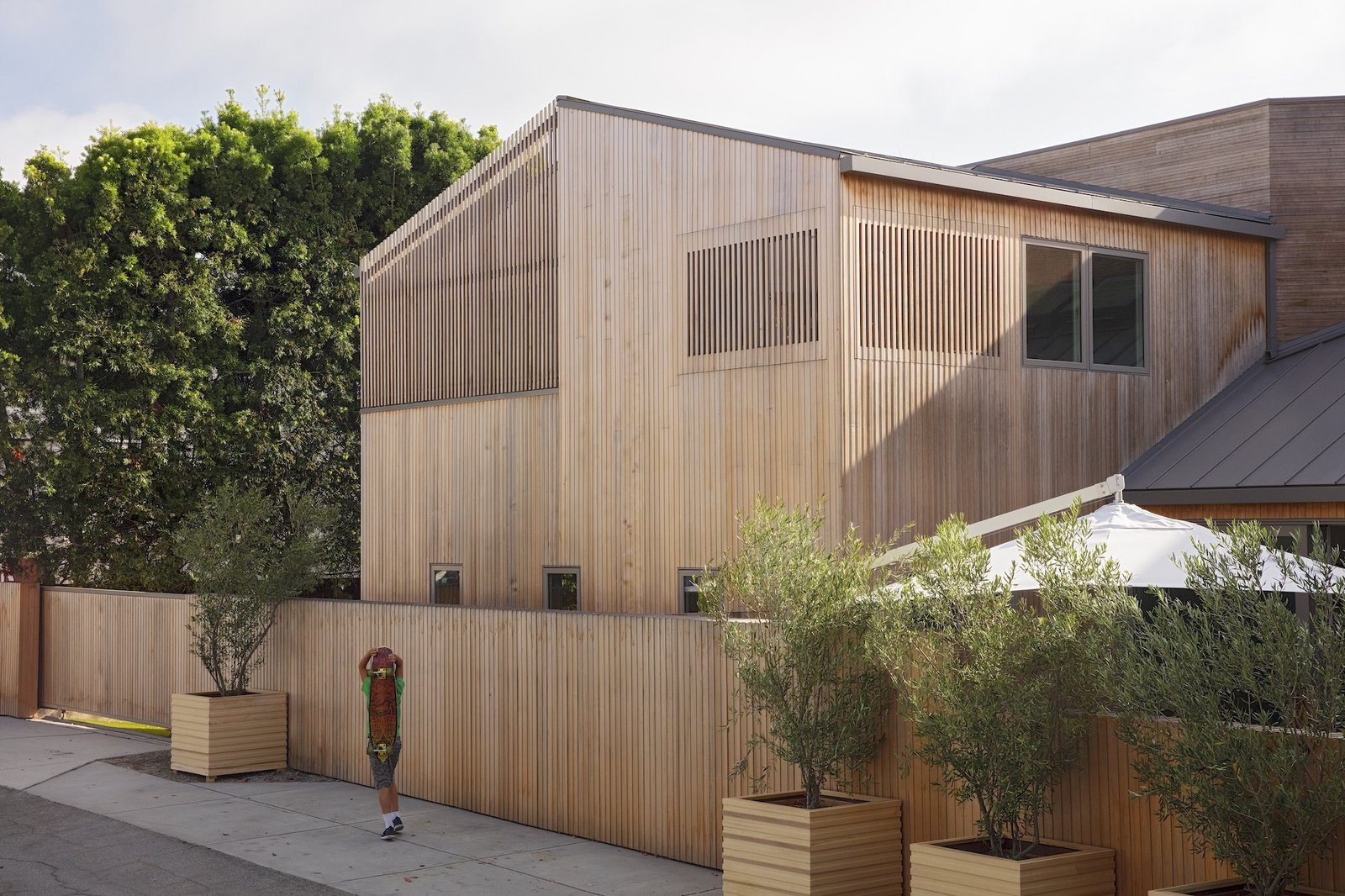
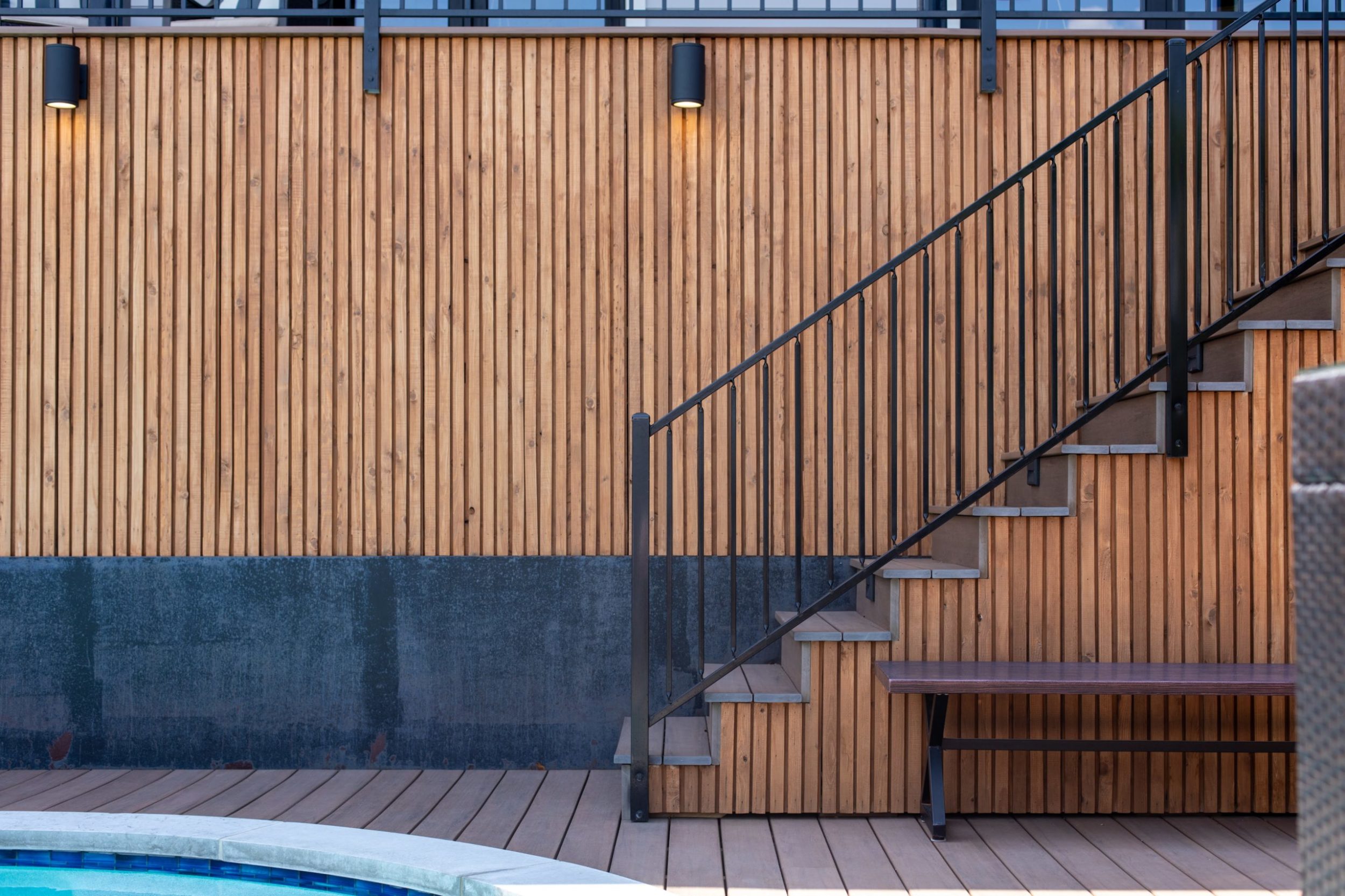
Alaskan Yellow Cedar brings a subtle warmth to architectural spaces, with a refined, pale tone that works well in modern design.With the natural qualities that define cedar, it has earned a strong reputation for durability and workability. Builders often choose Alaskan Yellow Cedar for projects where exposure, movement, and moisture are common variables.
Like all cedar species, it offers natural resistance to decay and insects along with strong dimensional stability, making it a dependable option for many applications. Its pale tone and smooth texture create a calm, refined look that works particularly well in modern or high-design spaces.
Western Red Cedar
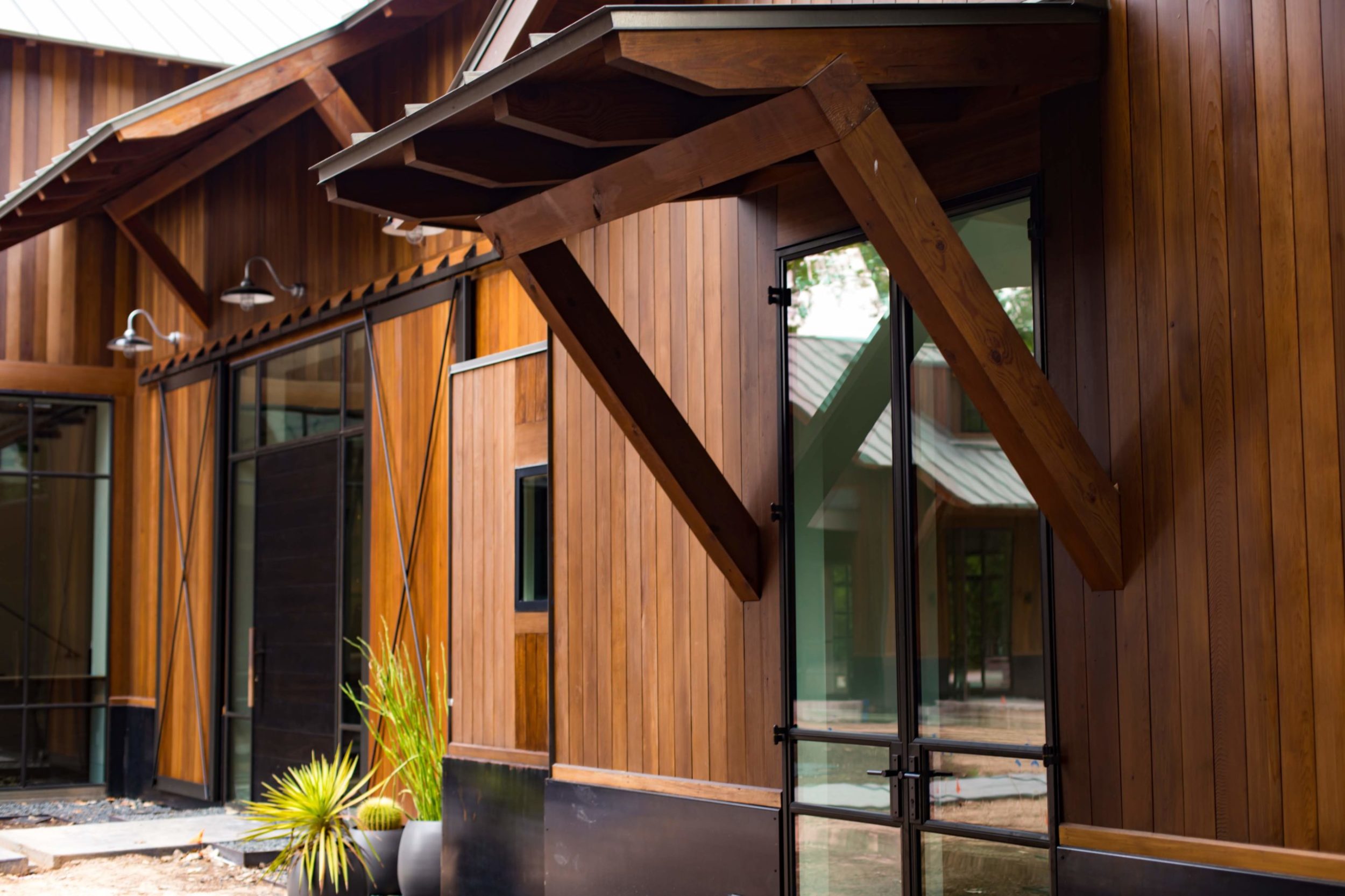
Western Red Cedar works well for projects where both performance and visible aesthetics are important. Its warm reddish tones add character and natural beauty, making it a popular choice for decks, siding, soffits, and outdoor living structures.
It’s also a durable option when materials need to perform through humidity and seasonal shifts, like those experienced in Atlanta and Nashville. Western Red Cedar maintains its stability while still delivering the natural warmth many homeowners and designers look for in architectural wood.
Cedar in Architectural Design
Cedar is often used for siding and soffits because of its natural warmth and architectural presence. You’ll frequently see it on custom homes, where detail, proportion, and functionality all play a crucial role in the overall design.
Both species sold at TimberTown resist warping, but Alaskan Yellow Cedar is slightly stronger for long runs or precision detailing. Visually, the two offer distinct aesthetics. Western Red Cedar provides warm, natural reddish tones, while Alaskan Yellow Cedar offers a calm, restrained appearance that works well for modern or design-forward projects.
Choosing the Right Cedar for Your Project
With that in mind, there are a few things to consider when deciding which cedar is right for your project:
- Is your project indoors or outdoors?
- How important is visual consistency across the design?
- What is the climate like where the material will be installed?
- Are you looking for reddish warmth or pale, refined tones?
Each species offers unique strengths, and the right choice often depends on the performance needs and design goals of the project.
Get the Best Board for Your Buck
At TimberTown, we carry both Western Red Cedar and Alaskan Yellow Cedar to support projects across Austin, Atlanta, and Nashville. Whether you’re designing exterior siding, soffits, ceilings, or architectural accents, our team can help you choose the right material for your specific application.
Explore our premium cedar lumber selection and let us help you get the best board for your buck: the material that meets both the performance and design needs of your next project.