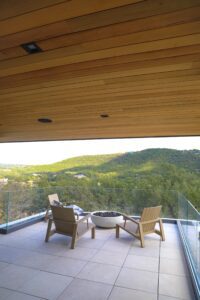
The new standard of exterior building
Exterior construction is entering a new era. Across Texas, Georgia, Tennessee, and beyond, builders and architects are being asked to think differently about wildfire exposure, exterior assemblies, and long-term material performance. What used to be a straightforward product decision now affects approvals, planning, detailing, and how projects move forward altogether.
TimberTown helps teams navigate that shift with real product knowledge, approved material options, and practical support built around the realities of modern exterior construction.
Code Compliance
As wildfire exposure grows across the country, ignition-resistant building standards are playing a bigger role in exterior construction.

Material Selection
In WUI areas, the right material is more than a design choice. It can impact approvals, performance, detailing, and the overall build strategy.

Our Support
TimberTown brings the product knowledge, documentation, and real-world support needed to move from code concern to buildable solution.
Why WUI Matters?
WUI stands for Wildland-Urban Interface. It refers to areas where homes and development meet natural landscape. As cities continue expanding into wooded terrain, hillside property, and previously undeveloped land, those boundaries are growing fast.
That growth is pushing wildfire planning into more projects than ever before. In many areas, exterior materials are now being evaluated differently based on how they respond to heat, embers, and fire exposure. The result is a growing focus on ignition-resistant construction, defensible space, and smarter exterior detailing across both residential and commercial builds.
Not just a code issue, a project planning issue.
Wildfire exposure does not impact a project in just one place. It affects the full exterior system and the way different materials work together. The wrong material choice can slow down approvals, force redesigns, create install delays, or leave teams scrambling for documentation. TimberTown helps simplify that process by connecting design intent with materials that make sense for WUI conditions.
Materials Being Used in WUI-Conscious Construction
Hardwoods
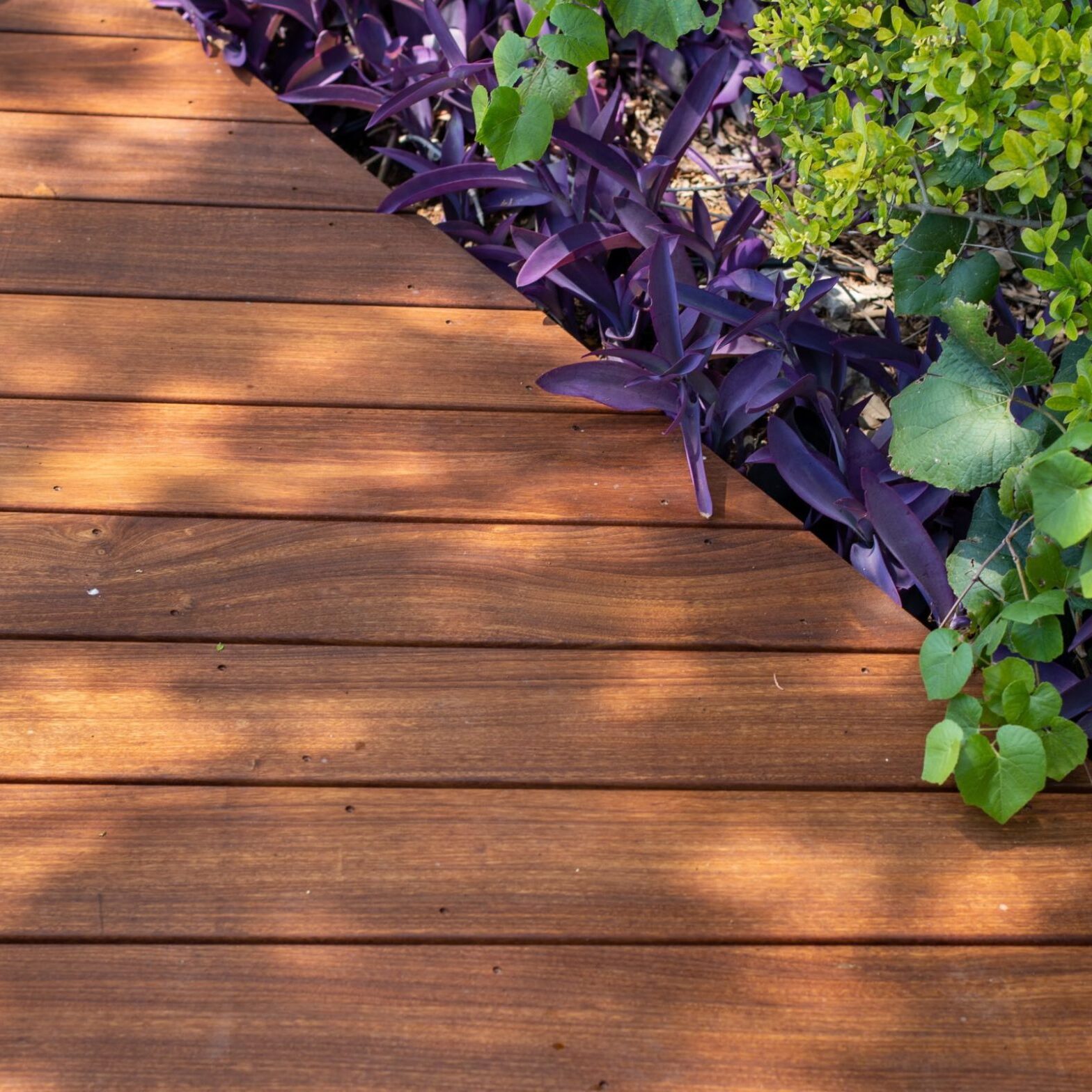
Hardwoods like Ipe, Cumaru, Garapa, and Tigerwood continue to stand apart in exterior construction because of their natural density and durability. Their performance in demanding environments has made them an important consideration for decking, siding, and soffits in projects navigating stricter exterior requirements. TimberTown worked directly with the Austin Fire Department to help get all four species approved for WUI applications.
Composites & PVC
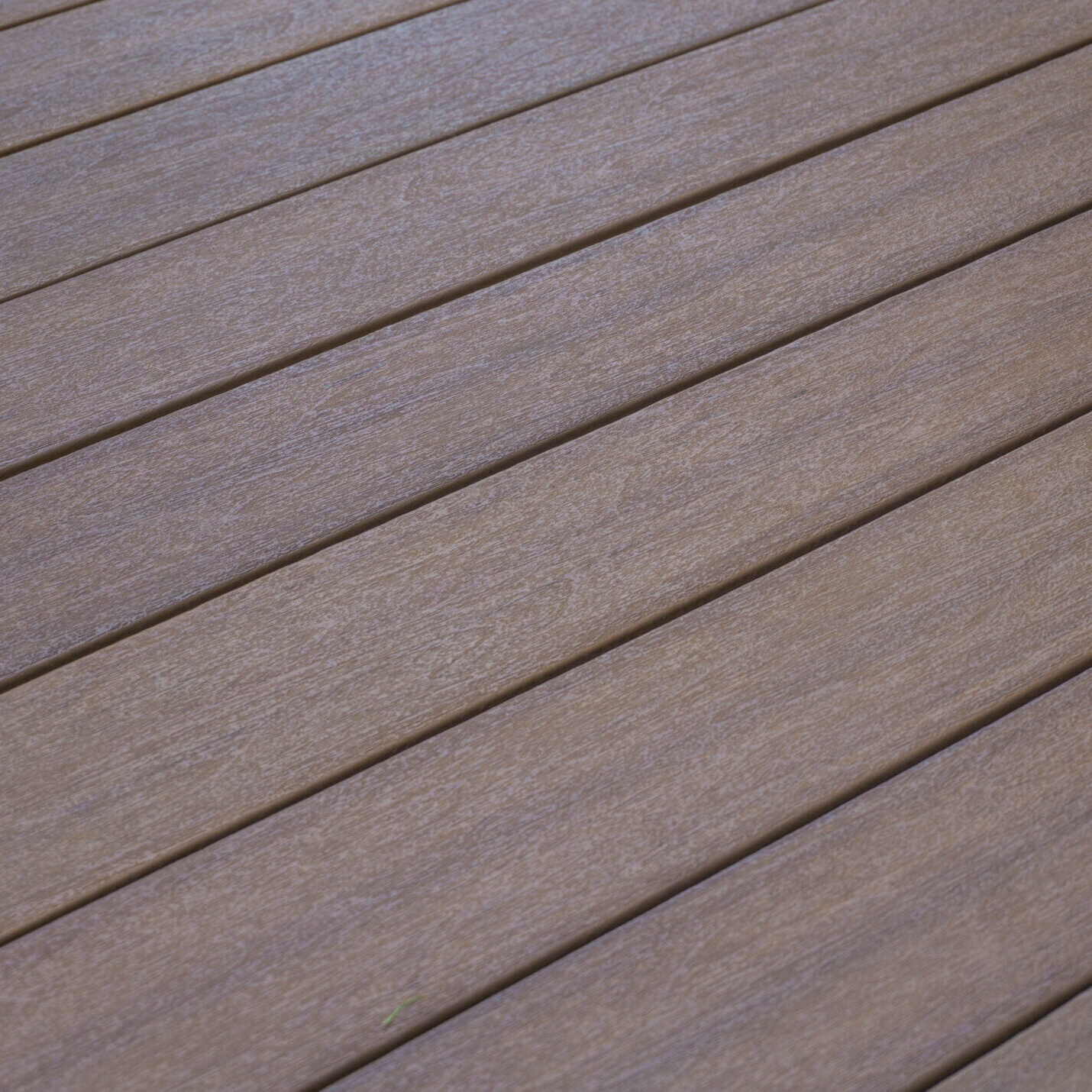
Composite and PVC products have become a major part of modern exterior construction because many Class A-rated systems combine durability, lower maintenance, and long-term consistency. TimberTech continues to be one of the leading names in that space, offering decking and railing systems designed for demanding exterior environments. Factors like board composition, cap technology, heat retention, and airflow beneath the deck all still play a major role in long-term performance.
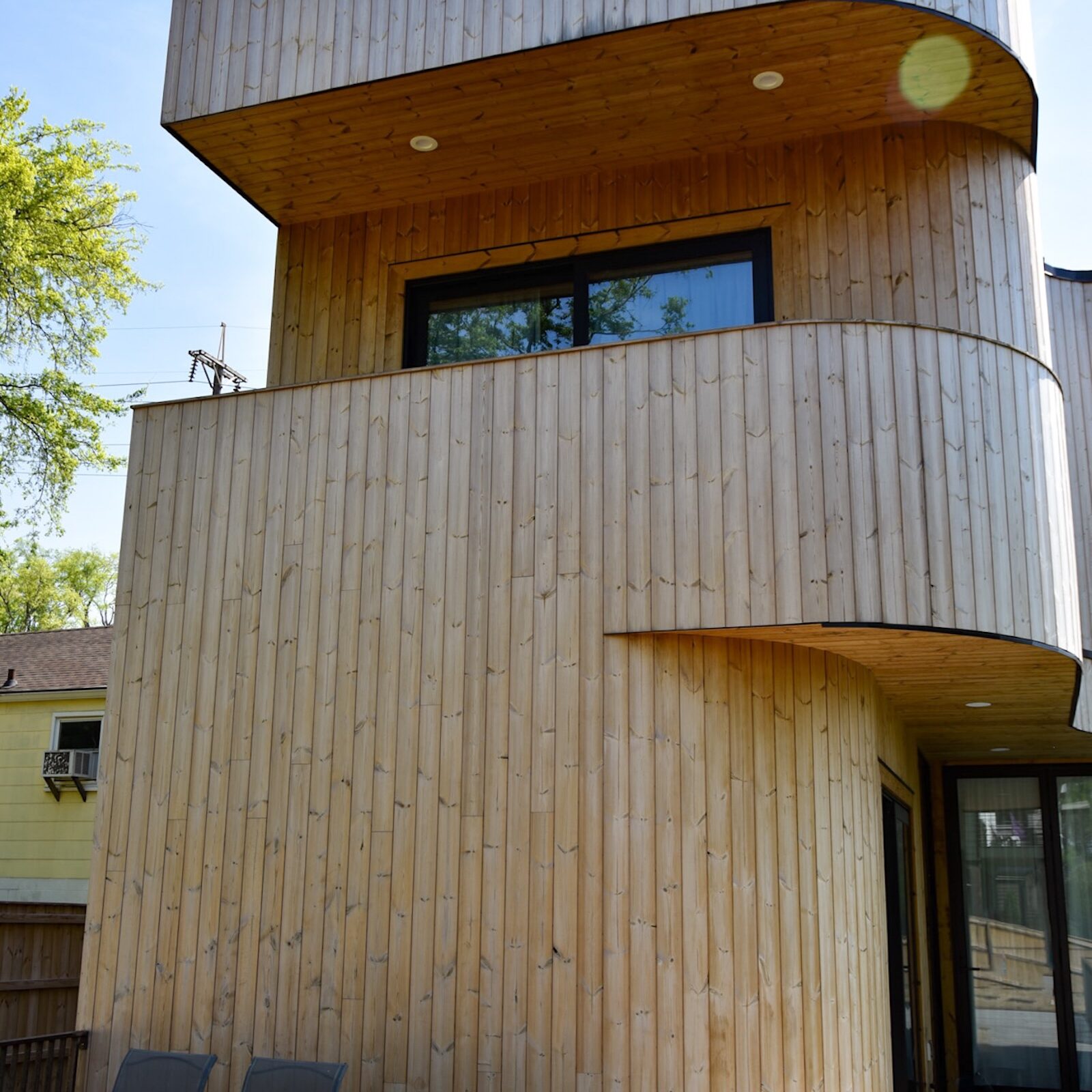
Modified Wood
Modified wood is becoming part of more WUI-related conversations because its stability and reduced moisture absorption can improve long-term exterior performance in exposed environments. Products like thermally modified wood are often used in cladding and soffit applications where movement, consistency, and durability matter. Since modified wood approvals vary by manufacturer and product line, each application needs to be evaluated individually rather than treated as a blanket solution.
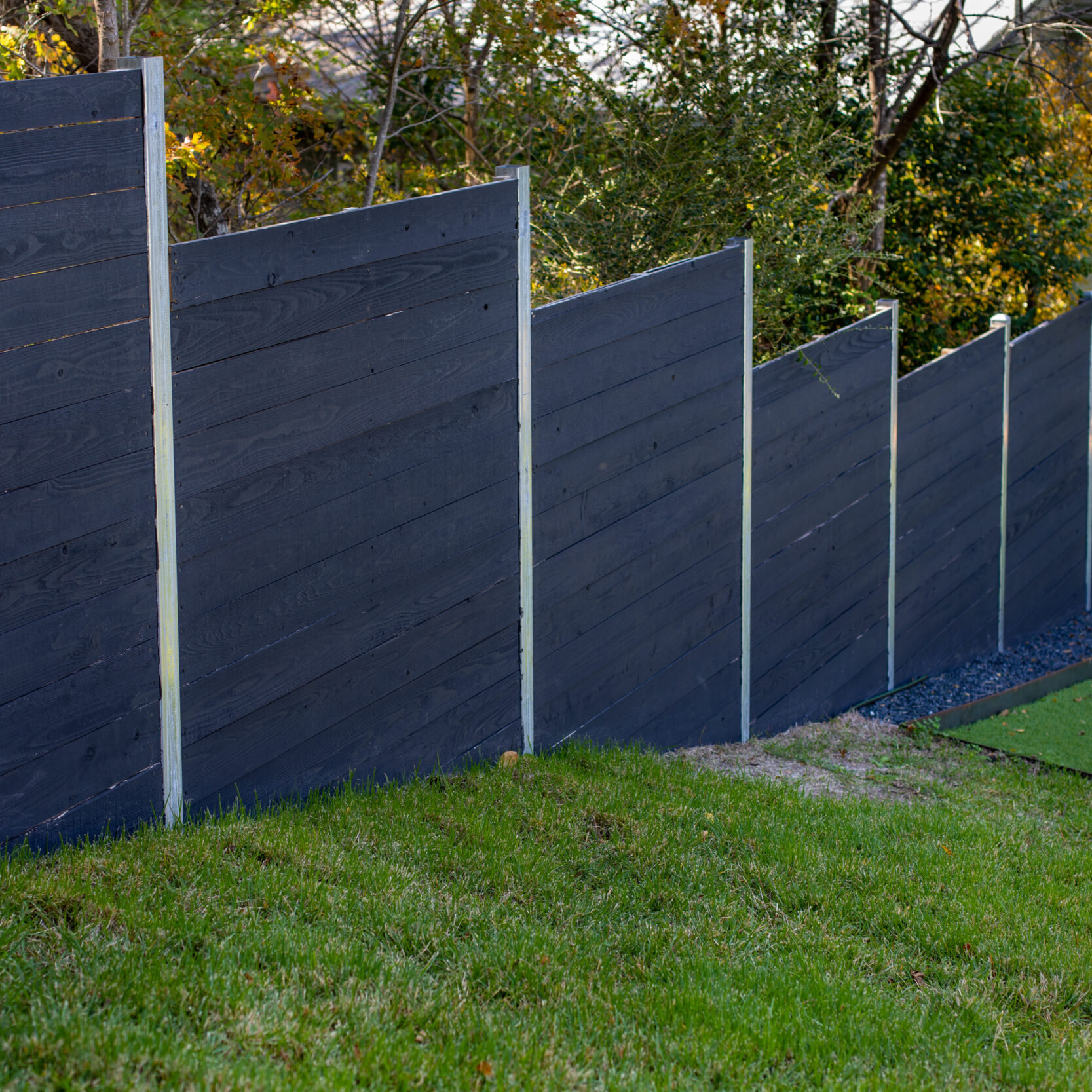
Fire-Retardant Cedar
Fire-retardant cedar maintains the look and workability of real cedar while adding Class A performance. Because the treatment impregnates the wood itself, familiar profiles like dog-eared pickets can still be cut, installed, and finished as traditional cedar fencing.
TimberTown saw the growing need for compliant wood fencing options in Austin, we worked directly with the Austin Fire Department to help bring approved fire-retardant cedar fencing components to market.
More Resources
-
Navigating WUI
Navigating WUI (Wildland-Urban Interface) Why WUI matters? As more communities expand into natural landscapes, the Wildland-Urban Interface (WUI) has become…more
-
What is Austin WUI and why should you care about it?
What is Austin WUI and why should you care about it? The Austin, Texas, Wildlife Urban Interface (WUI) Code is…more