
Navigating WUI (Wildland-Urban Interface)
Why WUI matters?
As more communities expand into natural landscapes, the Wildland-Urban Interface (WUI) has become a critical consideration in building and design. WUI refers to areas where residential or commercial development meets undeveloped land, creating increased exposure to wildfire risk.
In growing markets like Texas, Georgia, and Tennessee, this is becoming more relevant. From Central Texas and the Hill Country to North Georgia and parts of Middle Tennessee, development is pushing further into wooded and rural environments. That shift brings new expectations around fire-resistant construction, material performance, and code compliance.
For builders, architects, and homeowners, understanding WUI is crucial. Material selection, design decisions, and installation methods all directly impact how a structure performs in these higher-risk zones.
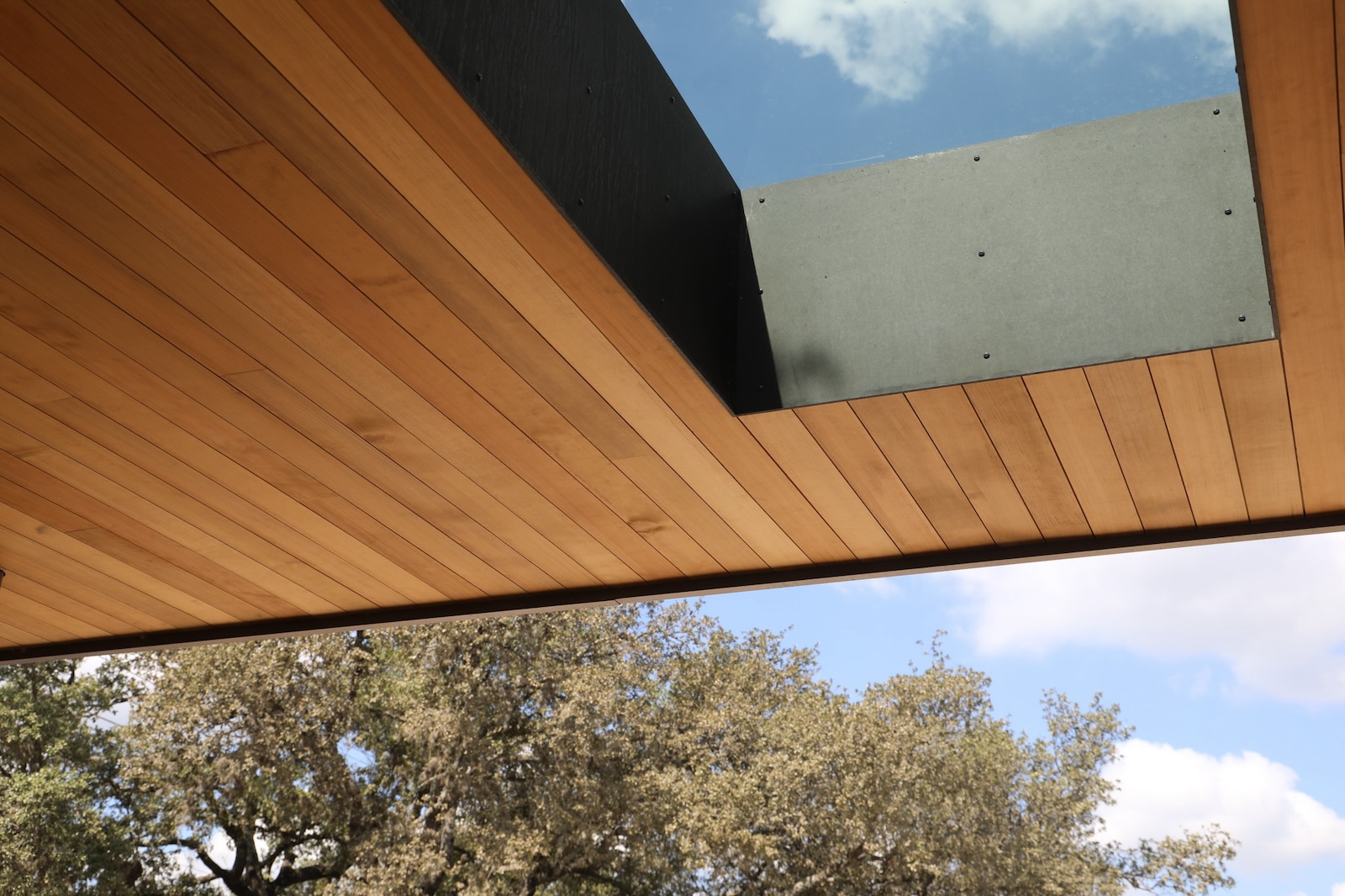
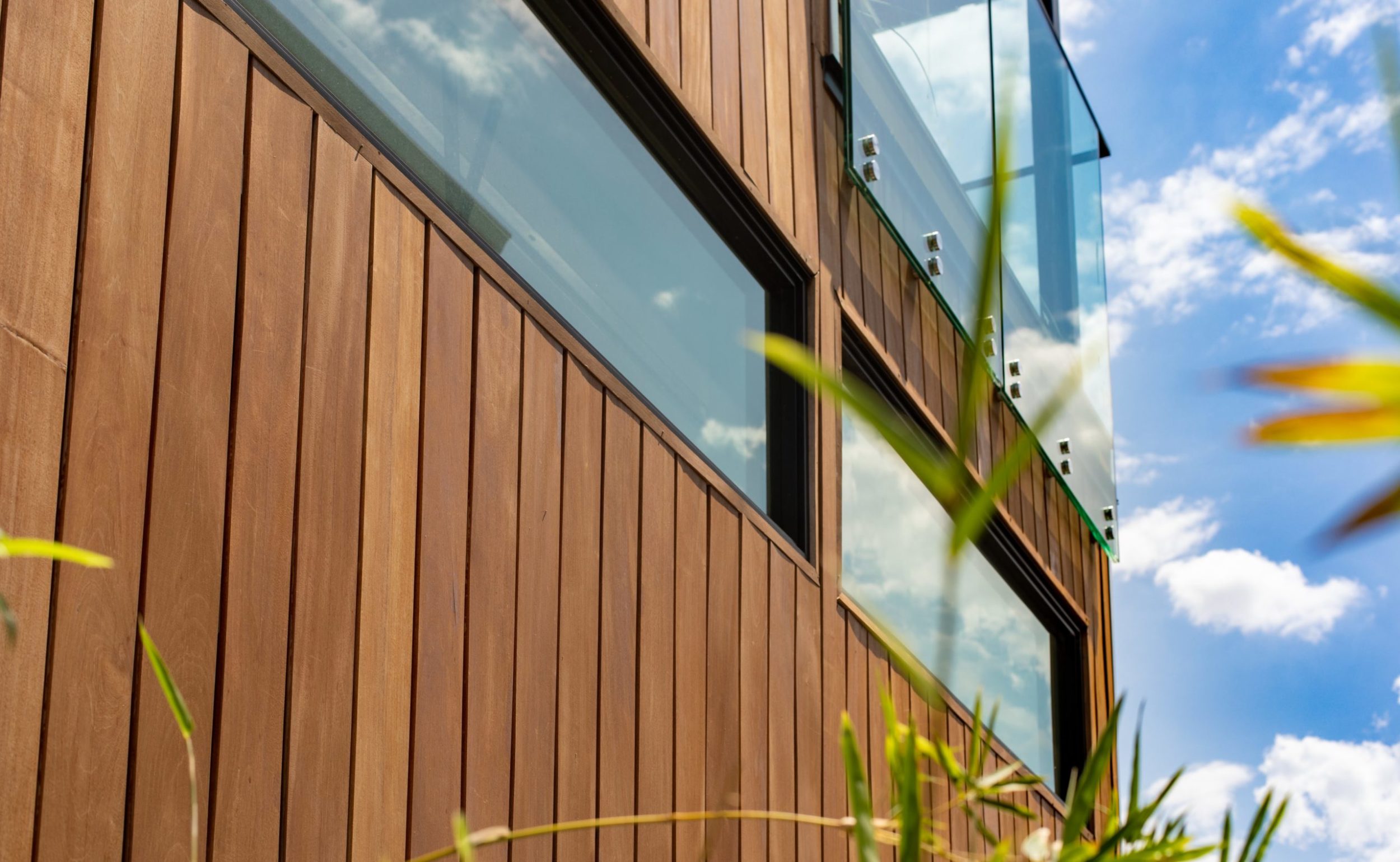
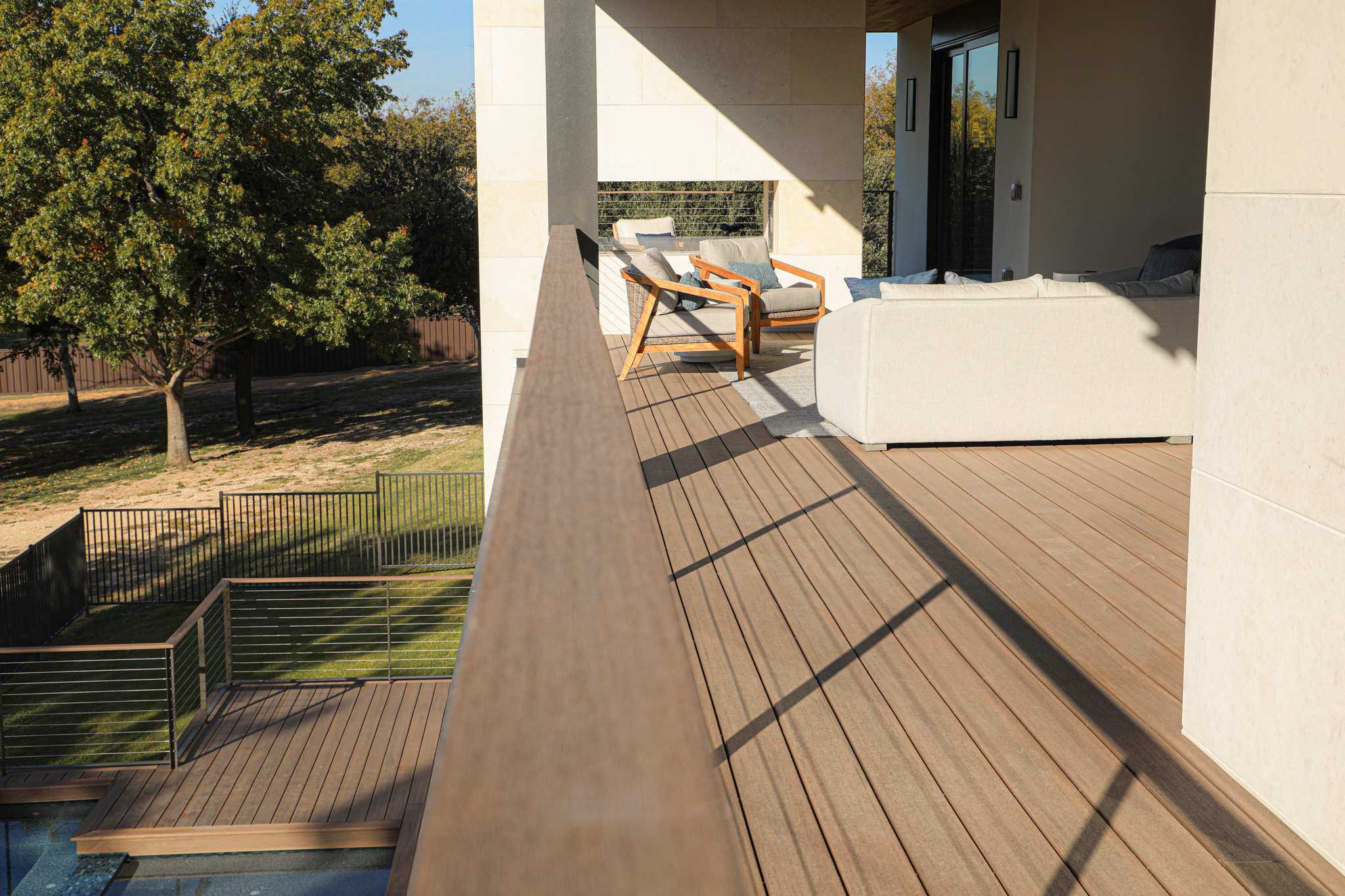
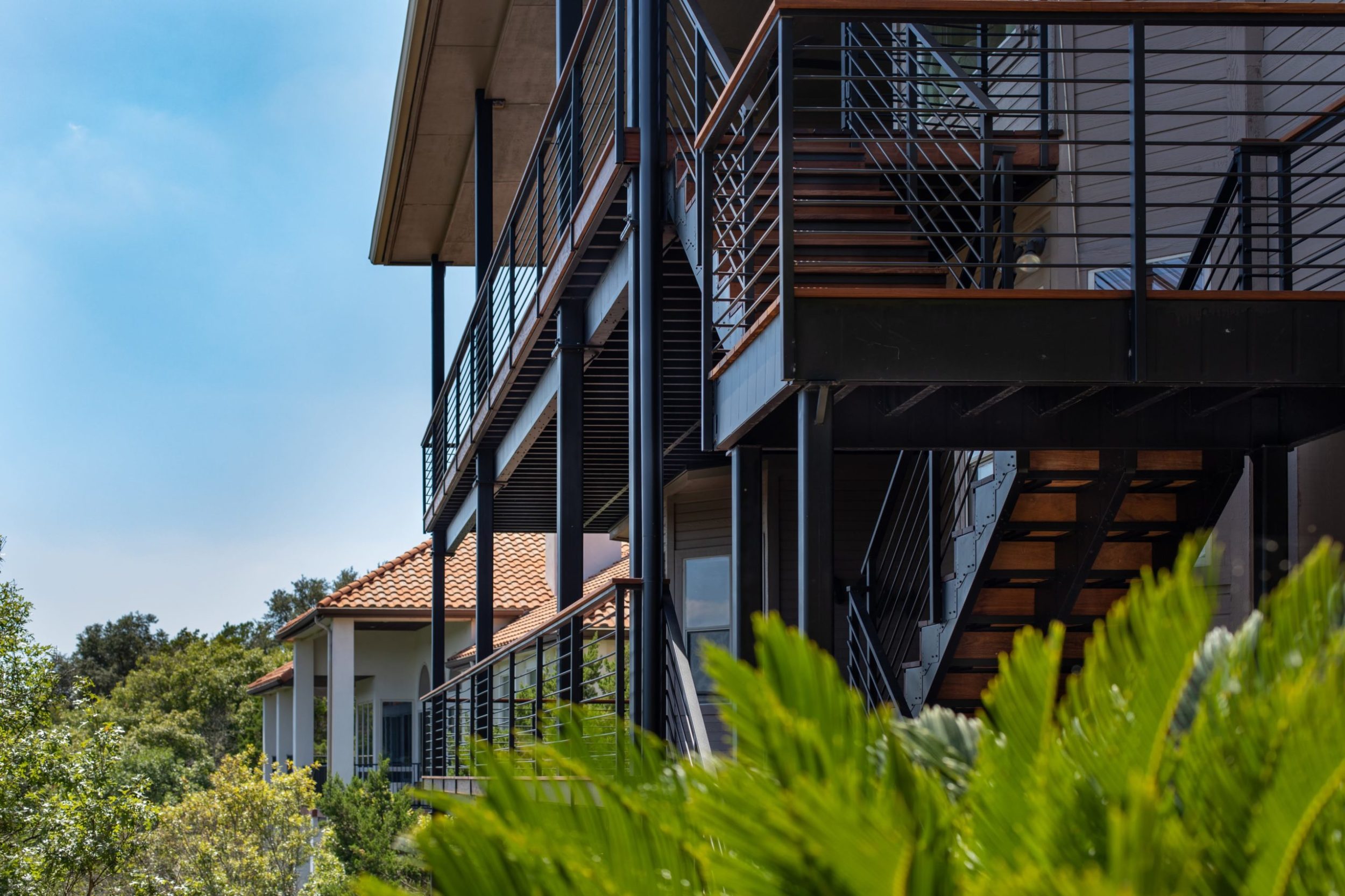
Why WUI Matters
In WUI-designated areas, the risk of wildfire is significantly higher. This means building materials must be selected with performance and resilience in mind.
Key considerations include:
- Fire-resistant building materials
- Ember resistance and ignition prevention
- Durability in heat, drought, and extreme weather conditions
- Compliance with local and regional building codes
Choosing the right materials is not just about appearance. It is about protecting structures, extending lifespan, and reducing long-term risk.
In regions like Austin and surrounding Central Texas communities, WUI guidelines are already influencing material approvals and building requirements. Similar considerations are gaining traction in parts of Georgia and Tennessee as development continues to expand outward.
How TimberTown Supports WUI Projects
At TimberTown, WUI projects are not approached the same way as a standard build. Material selection needs to be intentional, and performance has to be understood beyond the spec sheet.
Our team works alongside builders, architects, and designers to evaluate where and how materials are being used. Decking, siding, soffits, and transitions all perform differently in WUI conditions, and those details matter.
Instead of pushing a single product category, we help identify:
- Where ignition risk is highest on the structure
- How different materials respond to heat and ember exposure
- What assemblies make sense for the design without overcomplicating the build
- How to balance local code requirements with the overall aesthetic
TimberTown also takes a proactive role in material validation. We initiated our own testing process and worked directly with the Austin, Texas Fire Department to submit assemblies for review, resulting in four hardwood species being approved for WUI-related applications. That level of involvement gives us a deeper understanding of how these materials perform in real-world conditions, not just on paper.
Building Smarter in WUI Areas
Designing for the WUI doesn’t mean sacrificing style. It means building smarter.
With the right combination of materials, detailing, and installation methods, projects can achieve both design goals and improved fire performance. This applies across residential homes, commercial spaces, and outdoor environments like decks, siding, and soffits.
Builders and designers working in Texas, Georgia, and Tennessee are increasingly factoring WUI-compliant designs into their planning. Taking that into account early helps avoid redesigns, delays, and compliance issues later.
Let’s Build with Confidence
If your next project is in a WUI-designated area, TimberTown is here to help. Our team brings product expertise, regional insight, and hands-on experience to support better material decisions.
From selecting fire-resistant decking and siding to navigating WUI-related considerations, we are a resource for building with confidence, durability, and long-term performance in mind.