
Custom Milled Lumber
Exterior Commercial and Residential Projects
Beyond the Profile
Most people think custom milling is just running wood through a machine to create a shape. Good milling is much more than that.
The species matters. The grain matters. The intended application matters. Even the direction a board is fed through the machine can impact the final result.
A profile that looks sharp in cedar may not machine the same way in a dense hardwood like Ipe. Softwoods can be more prone to tear-out if the grain is not handled correctly. Hardwoods create more wear on tooling and require slower, more controlled machining to maintain crisp details. Modified woods add another layer entirely because the structure of the wood itself has changed through the modification process.
That is why experienced custom milling is less about simply cutting lumber and more about understanding how wood behaves.
The Details Start Before Production
One of the biggest misconceptions about custom milled lumber is that the work starts once production begins. In reality, some of the most important decisions happen beforehand.
At TimberTown, every milling project requires a profile sign-off before a full production run moves forward. We review drawings, dimensions, spacing, reveals, and installation methods upfront to make sure the profile not only looks right, but also functions properly once installed.
Sometimes adjustments are needed for better fitment. Other times spacing needs to account for airflow or natural wood movement in exterior conditions. Those details may seem minor on paper, but they can completely affect how clean the final installation looks in the field.
That planning becomes especially important on modern exterior projects where long runs, slat systems, and tight reveals leave very little room for inconsistency.
Milling That Supports the Installation
Good custom milling should simplify the job site, not complicate it.
When boards arrive properly milled, trimmed, sanded, or predrilled, installers spend less time modifying material in the field. Profiles line up more consistently. Installations move faster. Waste is reduced. The final project feels cleaner and more intentional because the material was designed around the application from the beginning.
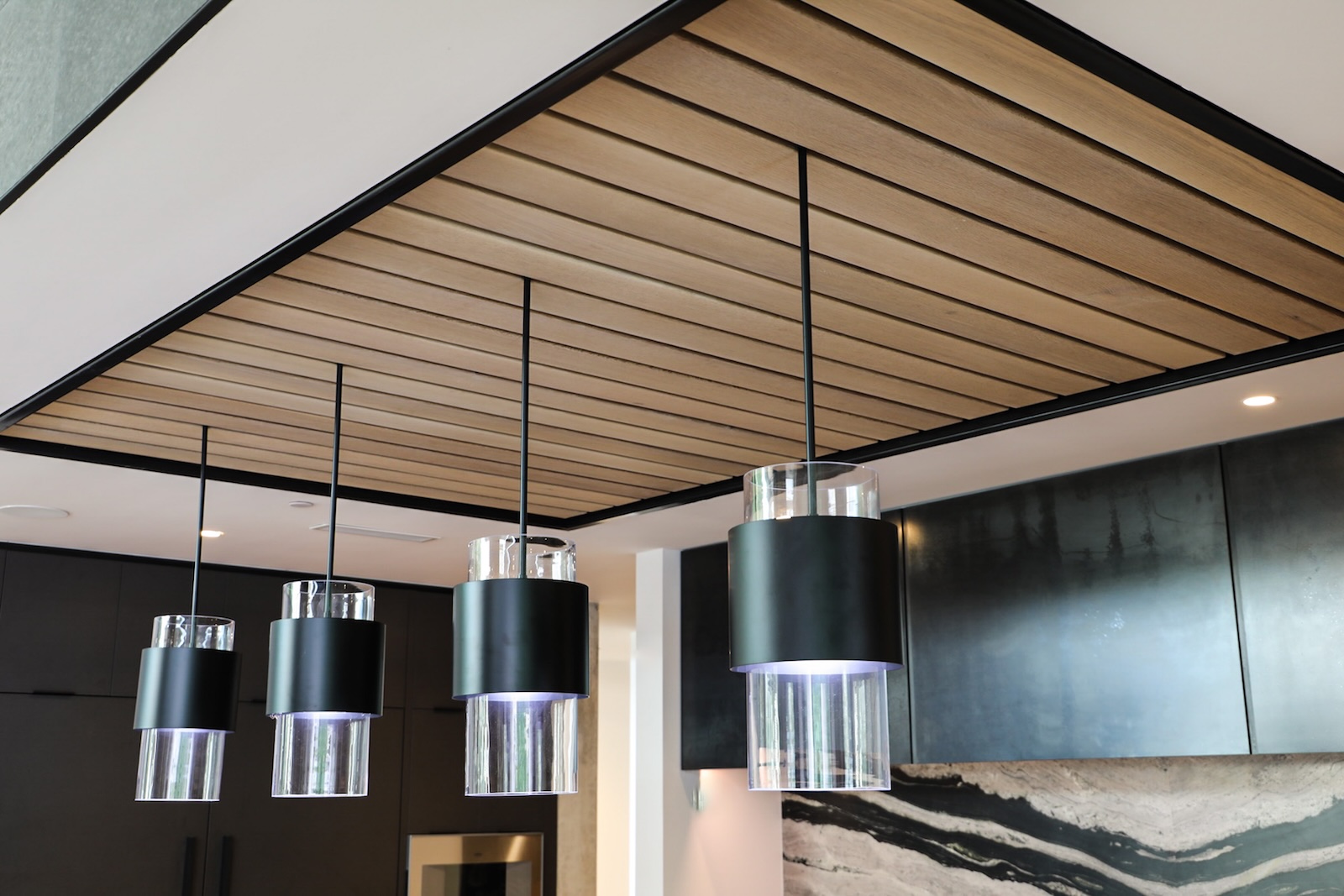
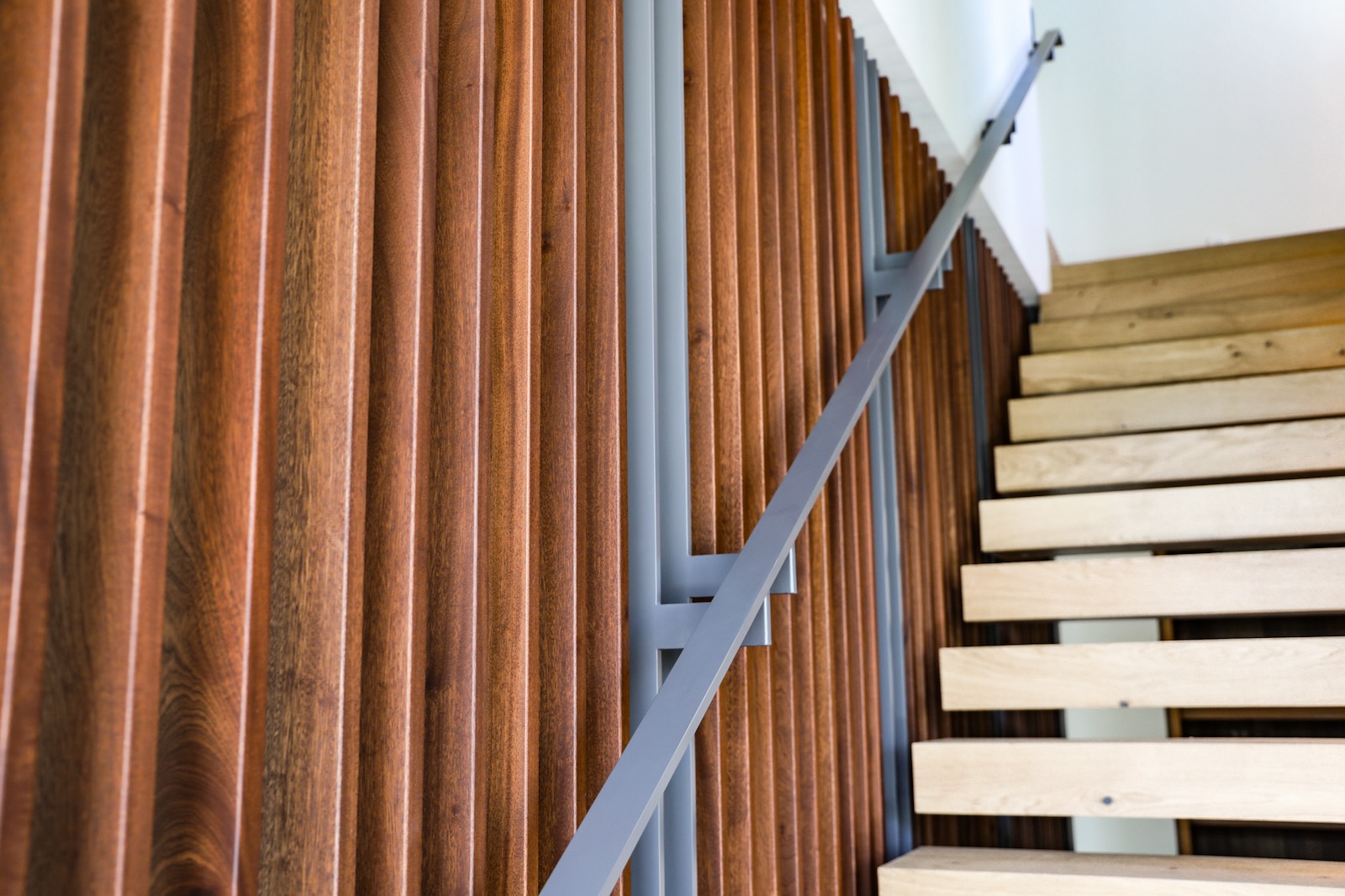
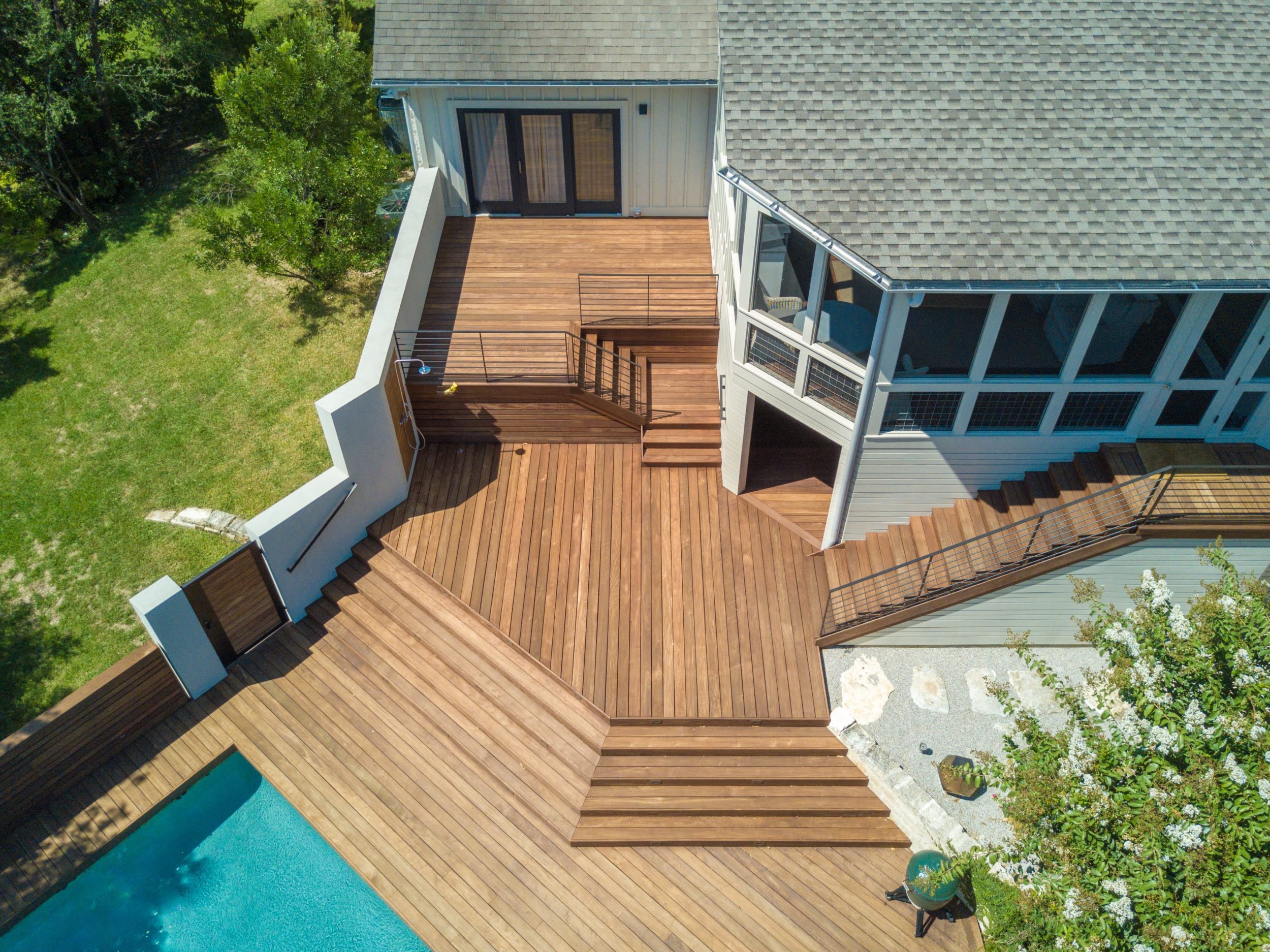
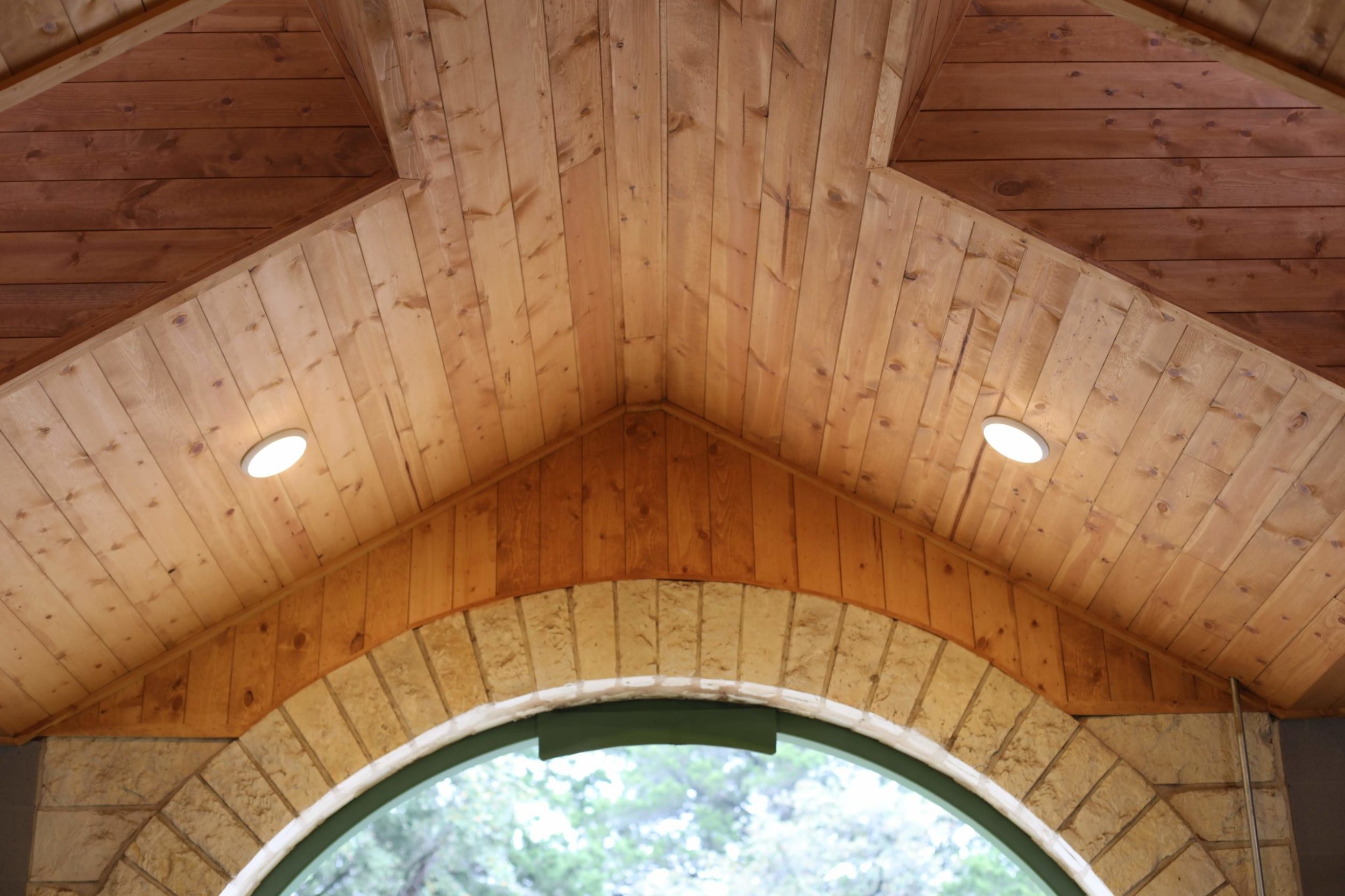
That matters across exterior siding, soffits, decking, rainscreen systems, screen walls, and custom architectural details where alignment and consistency are part of the design itself.
TimberTown’s milling capabilities include:
- Custom profiles
- Tongue and groove systems
- Slat wall systems
- Predrilling
- Precision trimming
- Sanding
- Custom lengths
- Hidden fastener profiles
- Custom edge details
Nearly any species and nearly any profile can be produced based on the needs of the project. Here are some commonly selected millings profiles.
A More Technical Approach to Wood
Wood is not a perfectly uniform material. It moves, reacts, and machines differently depending on the species, grain pattern, moisture content, and application.
Understanding those variables is what separates precision custom milling from standard production work.
At TimberTown, we take a meticulous approach to the process because the small details are what create cleaner installations, stronger consistency, and better-performing exterior applications over time.