
Best Dock Decking Materials
How to Choose the Right Dock Decking Material
Summer is right around the corner, and the water is calling. If you’re planning to build or upgrade a dock, choosing the right dock decking materials matters. It is one of the most important decisions you’ll make.
A dock faces constant exposure to moisture, sun, and heavy foot traffic. Material selection is not just about appearance. It is about long-term performance. The right decking will hold up to the elements. It will stay safe underfoot and maintain its integrity over time
The wrong choice can lead to ongoing maintenance and early replacement.
Here is a breakdown of pressure-treated pine, hardwood decking, and composite decking. It will help you select the right solution for your dock with confidence.
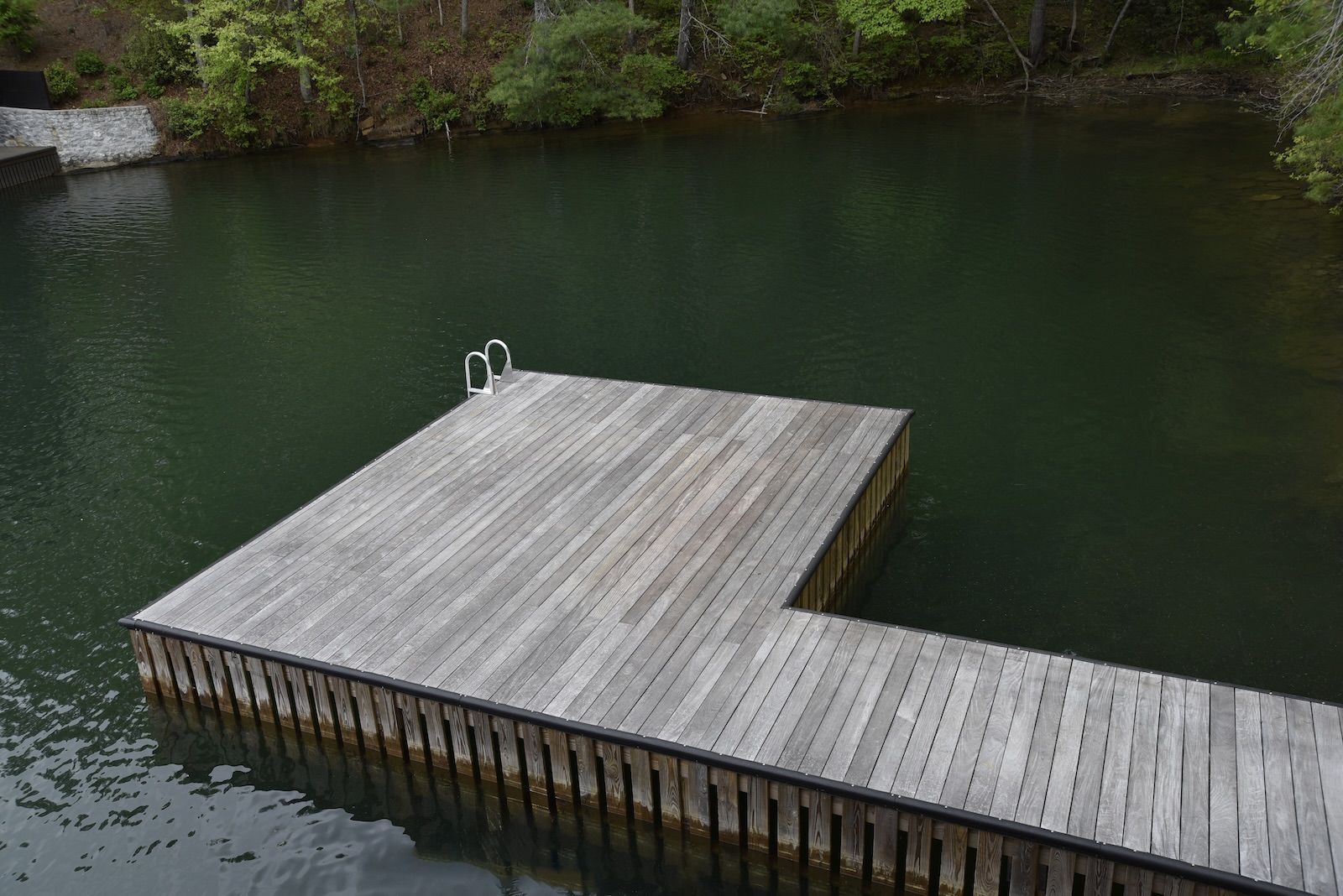
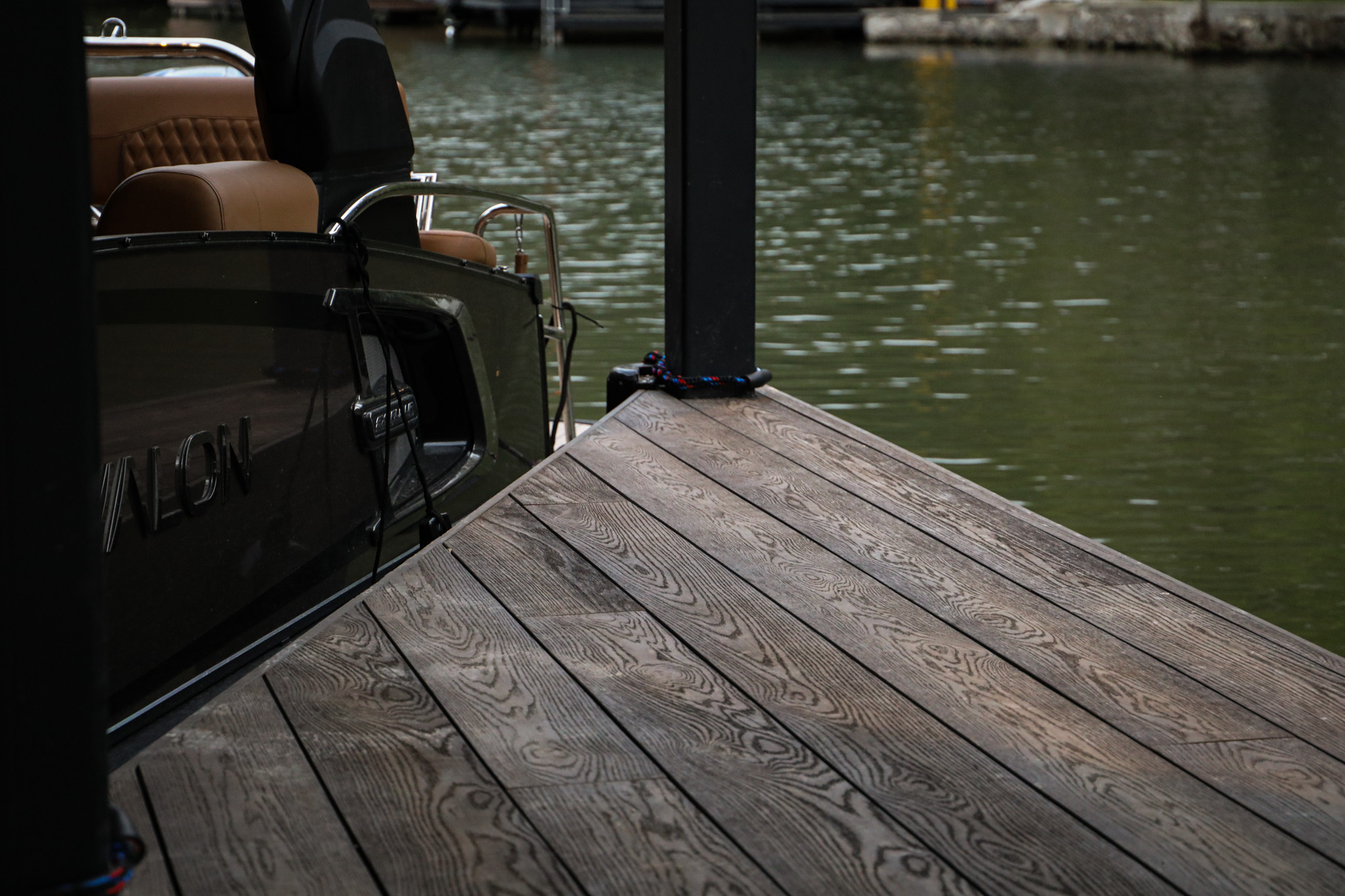
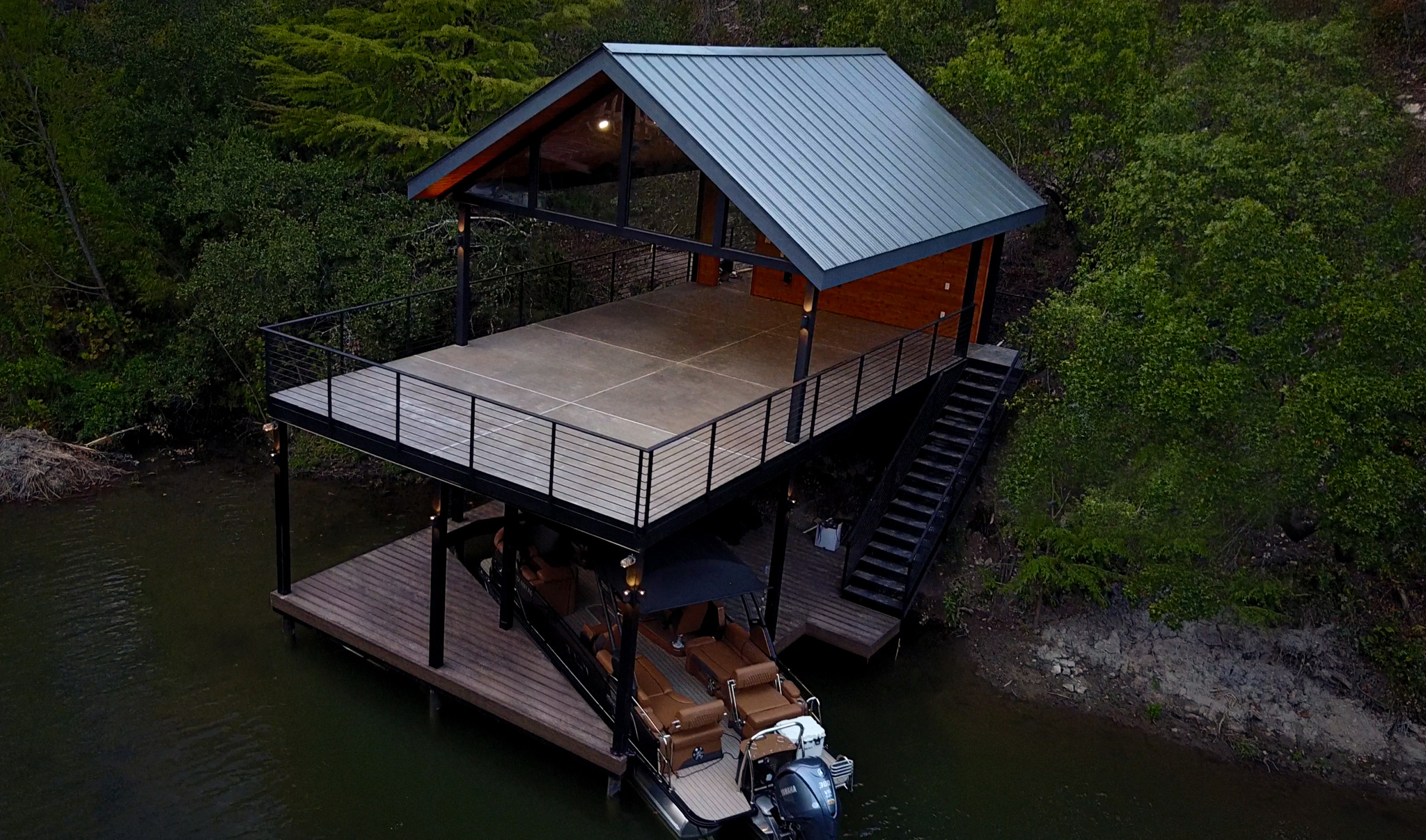
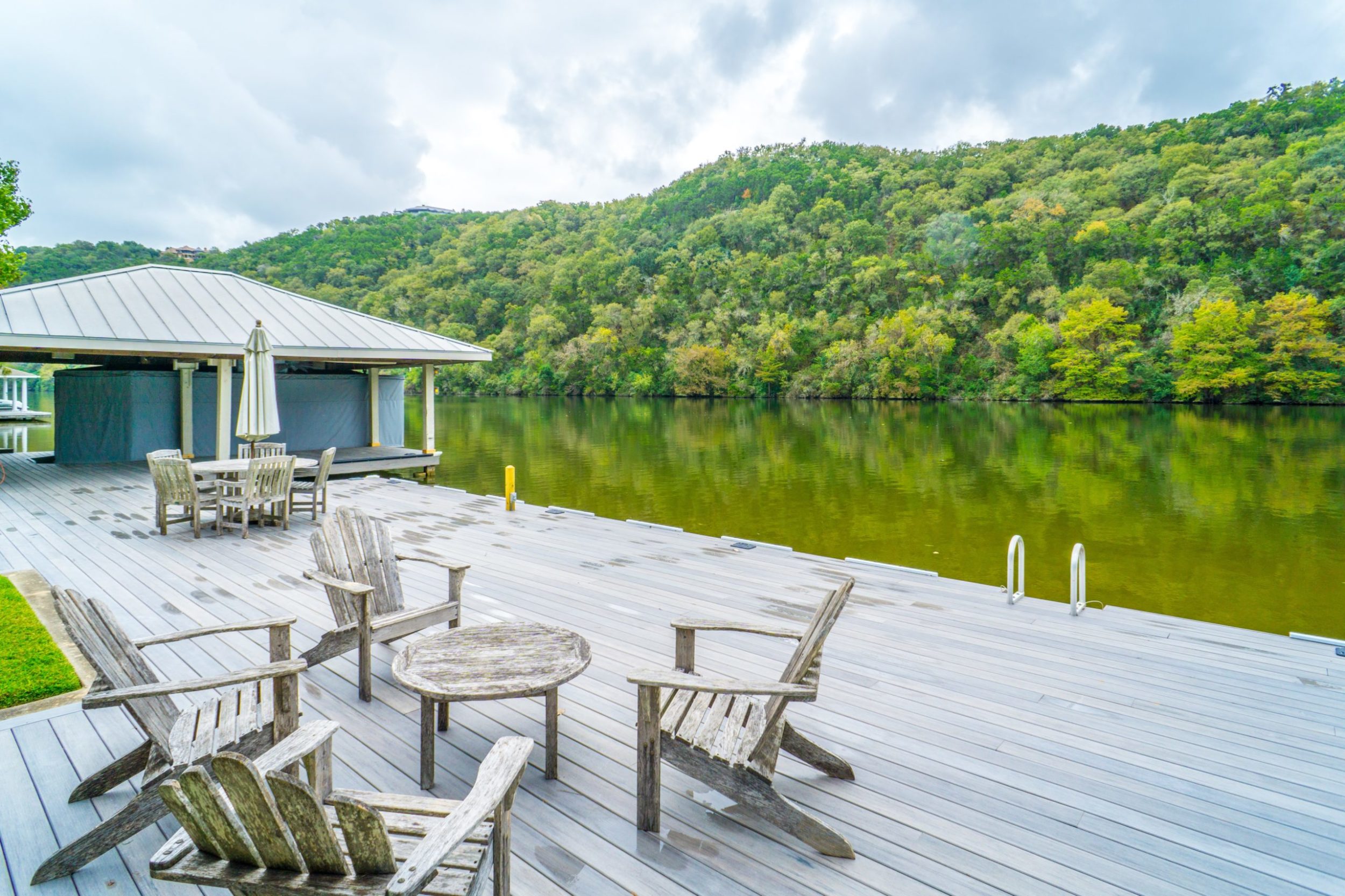
Pressure-Treated Pine for Dock Decking
Pressure-treated pine is often selected for its lower upfront cost. While budget-friendly, it typically requires more maintenance to keep it in good condition.
With regular refinishing every two to three years, a pressure-treated dock may last around 10–15 years. Over time, splintering, warping, cracking, and rot are common, which can become a safety concern in high-moisture environments.
Hardwood Dock Decking Options
Hardwood decking offers a strong balance of durability and long-term value. It is one of the most reliable dock decking materials available. While the initial cost is higher, it often pays off through extended lifespan and performance.
Species like Ipe, Cumaru, Garapa, and Tigerwood are well-suited for dock and exterior applications, lasting 25–30 years with proper care. They resist splintering, warping, and rot, making them ideal for high-moisture environments.
Composite & PVC Dock Decking
Choosing the Best Dock Decking Material
Both hardwood and composite decking offer clear advantages over pressure-treated pine, but the best dock decking material comes down to how you want your dock to perform over time.
Hardwoods bring unmatched durability and a natural look that only gets better with age, while composite and PVC options offer a more hands-off approach with consistent performance in moisture-heavy conditions.
Pressure-treated pine still has its place, but it is often better suited for soffits, framing, or secondary applications rather than the main decking surface. When builders use it, factory-applied finishes like ProCoating® help protect the material from day one, reducing maintenance and keeping the look more consistent over time.
A well-built dock should feel solid underfoot, look sharp season after season, and hold up to everything the water throws at it. Choosing the right material upfront sets the tone for all of it.
If you are weighing options or sourcing materials, TimberTown supports projects across Austin, Nashville, and Atlanta with decking solutions built for real-world performance.