
What Most People Miss When Preparing Their Deck for Summer
Material Awareness
Every spring, the internet starts recycling the same deck advice.
Pressure wash it. Throw down some furniture. Add a few plants. Maybe stain it if you have time.
The problem is most deck cleaning and maintenance advice is surface level. It focuses on making a deck look cleaner for the weekend instead of helping it actually perform better long term.
After working with hardwoods, modified woods, cedar, and composites across Texas, Georgia, and Tennessee, we can tell you the things that age a deck the fastest are usually the details people stop noticing.

The Areas That Wear the Fastest Usually Aren’t the Main Walking Surface
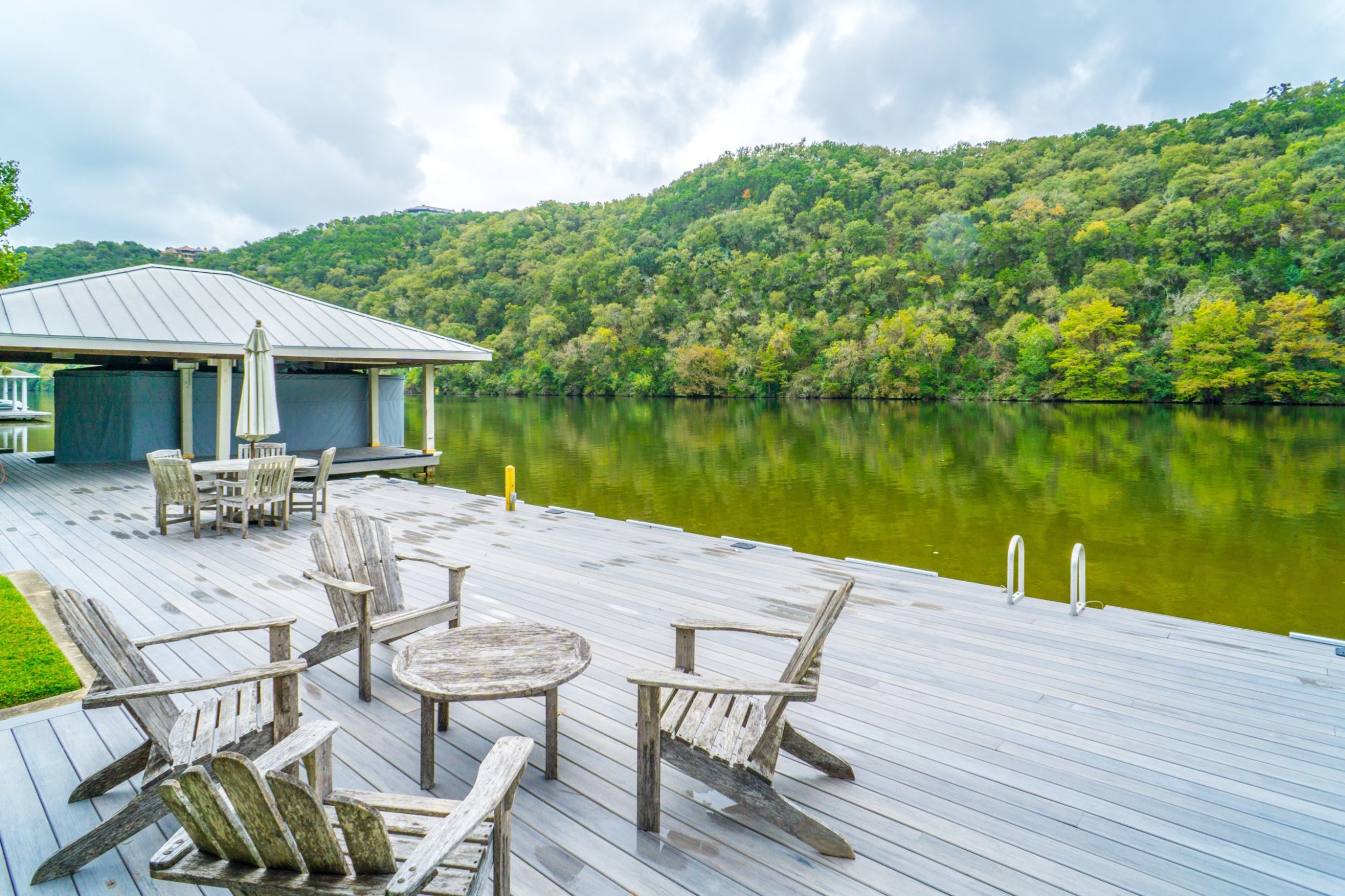
Most homeowners focus entirely on the face of the deck boards, but some of the worst wear happens in the overlooked areas. Under planters. Beneath outdoor rugs. Around grills. Anywhere debris and moisture consistently get trapped.
That trapped moisture cycle is what creates a lot of premature aging, especially in shaded environments or humid climates throughout the South.
It is also why decks sometimes weather unevenly. One section may stay exposed to airflow and sun while another remains damp for weeks at a time underneath furniture or décor that never moves.
Sometimes the issue is not the deck itself. It is how the space is being used.
Stop Treating Every Wood Species the Same
This is where a lot of bad maintenance advice starts.
People talk about “wood decks” like cedar, Ipe, thermally modified ash, and pressure-treated pine all behave the same way. They do not.
A dense hardwood like Ipe does not absorb moisture or finish the same way cedar does. Thermally modified wood reacts differently than pressure-treated lumber. Even cleaning methods should change depending on the material.
One of the biggest misconceptions is pressure washing.
Yes, pressure washers can clean a deck. They can also permanently scar softer woods, raise fibers, create lap marks, and shorten the life of finishes if used incorrectly. We have seen decks damaged simply from using too much pressure or holding the tip too close to the surface.
Most of the time, a softer approach works better:
- A cleaner appropriate for the material
- Moderate water pressure
- Soft-bristle brushes
- Patience
Especially with premium materials, preserving the integrity of the surface matters more than making the deck look stripped raw for one afternoon. Good deck cleaning and maintenance is less about aggressively restoring the surface and more about understanding how the material is designed to age.
The Best Outdoor Spaces Feel Designed, Not Decorated
This is the part most people skip entirely.
A lot of decks get treated like a platform where furniture gets dropped after construction is over. The projects that actually feel elevated usually think about the outdoor experience much earlier in the process.
Not just the decking itself, but how the entire exterior environment works together.
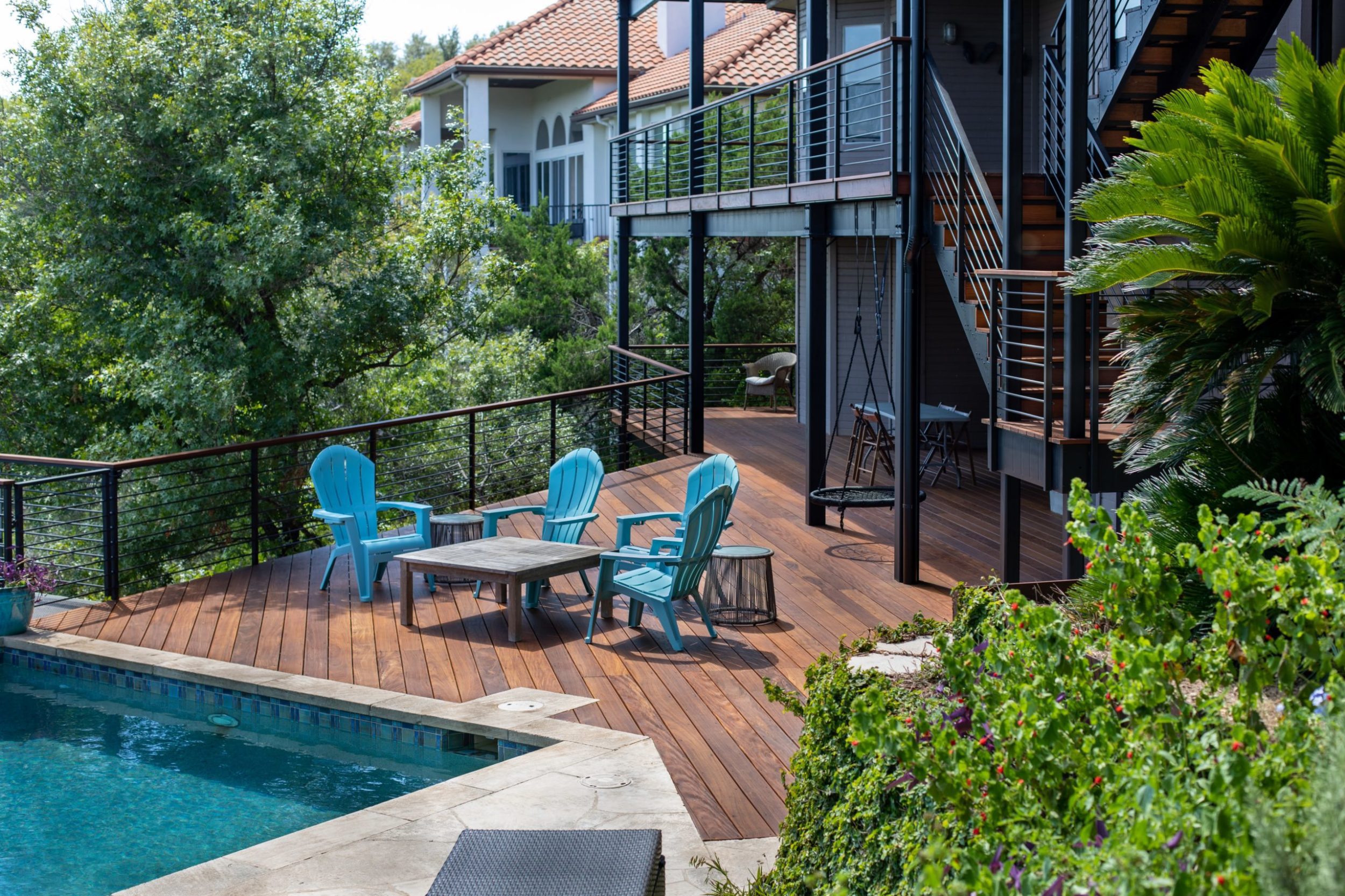
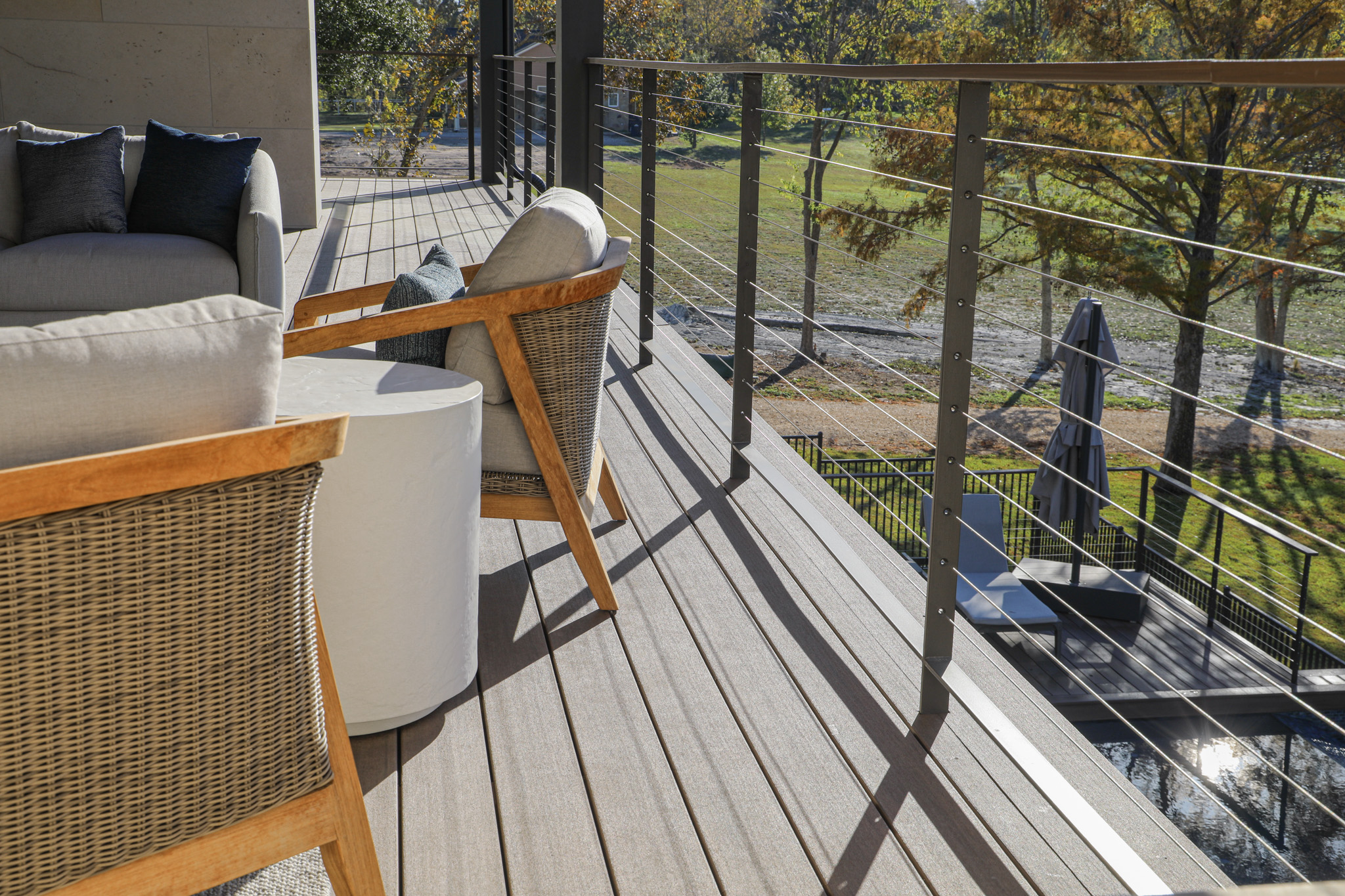
Sometimes the biggest improvements are not full rebuilds. We have seen outdoor spaces completely change from relatively simple updates like opening up sightlines with cable railing, extending soffit materials outside for continuity, or breaking a large deck into smaller seating zones that feel more intentional and usable.
Lighting is another thing people underestimate. A deck that feels flat during the day can feel completely different at night with subtle stair lighting, soffit accents, or integrated railing lights.
The same goes for landscaping. Thoughtful greenery softens transitions and helps the space feel connected to the architecture instead of looking like an add-on attached to the back of the house.
The best outdoor spaces usually work because everything was considered together. Decking, railing, cladding, lighting, furniture layout, airflow, shade, and movement through the space all influence how the project ultimately feels.
Summer Reveals the Decisions Made Earlier
By mid-summer, exterior materials start exposing the choices made during design and installation.
You begin noticing where water consistently sits after storms. Which finishes are holding evenly. Which areas get significantly hotter in direct sun. Where airflow is limited. Which materials are aging naturally and which ones are fighting the environment around them.
This is especially true with hardwoods and modified woods. Materials like Ipe, Cumaru, Thermory, and Accoya naturally evolve outdoors over time. Some owners prefer the silver patina that develops from UV exposure, while others want to maintain the richer original tones with maintenance oil.
Neither approach is wrong. The important part is understanding how the material is intended to perform so expectations stay realistic long term.
It is also why seeing materials in person matters. A small sample can never fully communicate how hundreds of square feet will look in full Texas sun or a humid Tennessee backyard surrounded by trees.
Board width, texture, finish level, surrounding materials, and even deck orientation all influence how the final space actually feels to live with.
Better Outdoor Spaces Start with Better Planning
A lot of exterior issues are not installation failures. They are planning failures.
The wrong material gets selected for the environment. Maintenance expectations were never discussed realistically. The layout photographs well but does not function naturally day to day.
At TimberTown, we spend a lot of time helping clients think through those details before materials ever arrive onsite. Hardwoods, modified wood, cedar, composites, railing, cladding, custom milling, pre-coating — all of it works better when the full environment is considered instead of simply picking a board color from a sample rack.
Because the best outdoor spaces are not the ones that just look good right after installation.
They are the ones that still feel intentional years later.