Composites
Low maintenance. High quality.
Composite materials have come a long way since they first entered the market in the early 1990s. What started as a simpler alternative to wood decking has evolved into a much more refined category, with better performance, improved aesthetics, and more dependable long-term results across a range of applications.
Made from a blend of wood fiber, recycled plastic, and binding agents, composites are designed to offer the look of wood with less upkeep. Because they incorporate recycled materials, they make use of resources that would otherwise go to waste. They also resist many of the issues that drive maintenance on traditional wood, while giving builders and designers more consistency in color, finish, and overall performance. From decking to cladding and other exterior details, composite materials have become a strong option where durability and low maintenance both matter.
Maintenance? Just say no!
One of the biggest reasons composites continue to gain ground is the amount of maintenance they take off the table. Unlike traditional wood, they do not need to be sanded, stained, or sealed on a regular cycle just to keep the surface protected.
Because composites are made from a blend of wood fiber and synthetic materials, they are less vulnerable to many of the common issues that drive maintenance on wood. Including rot, insect damage, and constant weathering. They are also built for better color retention, which helps the finish stay more consistent over time.
That is where warranty starts to matter. The composite brands we supply carry stain and fade warranties ranging from 25 years to limited lifetime coverage. It is not just a marketing point. It gives you a clearer expectation of how the material is intended to perform years after installation.
The boards are tough. The installation isn't.
Composite boards are both pliable and durable, which makes them easier to work with than most people expect. They cut clean, install consistently, and don’t come with the same variability you get from natural wood.
Don’t want to see any screws? Many composite boards are grooved, so you can use hidden fasteners and keep the surface clean. That same consistency carries over into cladding and soffit applications too, where clean lines and even spacing make a noticeable difference.
Composites also come in more predictable lengths and profiles, which helps take some of the guesswork out of layout. Whether you’re working on a deck, a wall, or overhead details, the material is built to go in clean and hold its look over time.
Putting the "eco" in economical.
Composite materials are known for being budget-friendly, but they also bring an eco-conscious side. Made from mostly recycled materials, composite boards can be manufactured with very little waste.
Since they don’t rely on the same treatments as traditional wood, they’re also a solid option for everyday spaces, including around kids and pets.
No staining, and no staining.
Unlike wood, there’s no need to stain or seal composite boards. They’re built to hold their color through weather and everyday use, without the same upkeep cycle. They’re also more resistant to staining than traditional materials. Most spills clean up easily with soap and water, which makes a difference in real, lived-in spaces.
A lifetime of beauty.
Composites have come a long way in how they’re made and finished. The level of detail in the grain and color has improved to the point where, in many applications, it’s hard to tell the difference from natural wood.
That’s part of why more architects and builders are using them on high-end projects. You get the look, but with better durability and resistance to fading over time.
Where they really stand out is in the range of options. From natural wood tones to more contemporary finishes, along with different board widths, profiles, and textures, it’s easier to dial in the exact look you’re after. Whether the goal is to match a traditional material or create something more modern, there’s more flexibility built into the material.
Our Extensive Product Guide
We’re selective about the composite products we bring in. Not every board makes the cut. We look at how it’s made, how it holds up over time, and how consistent it is from piece to piece.
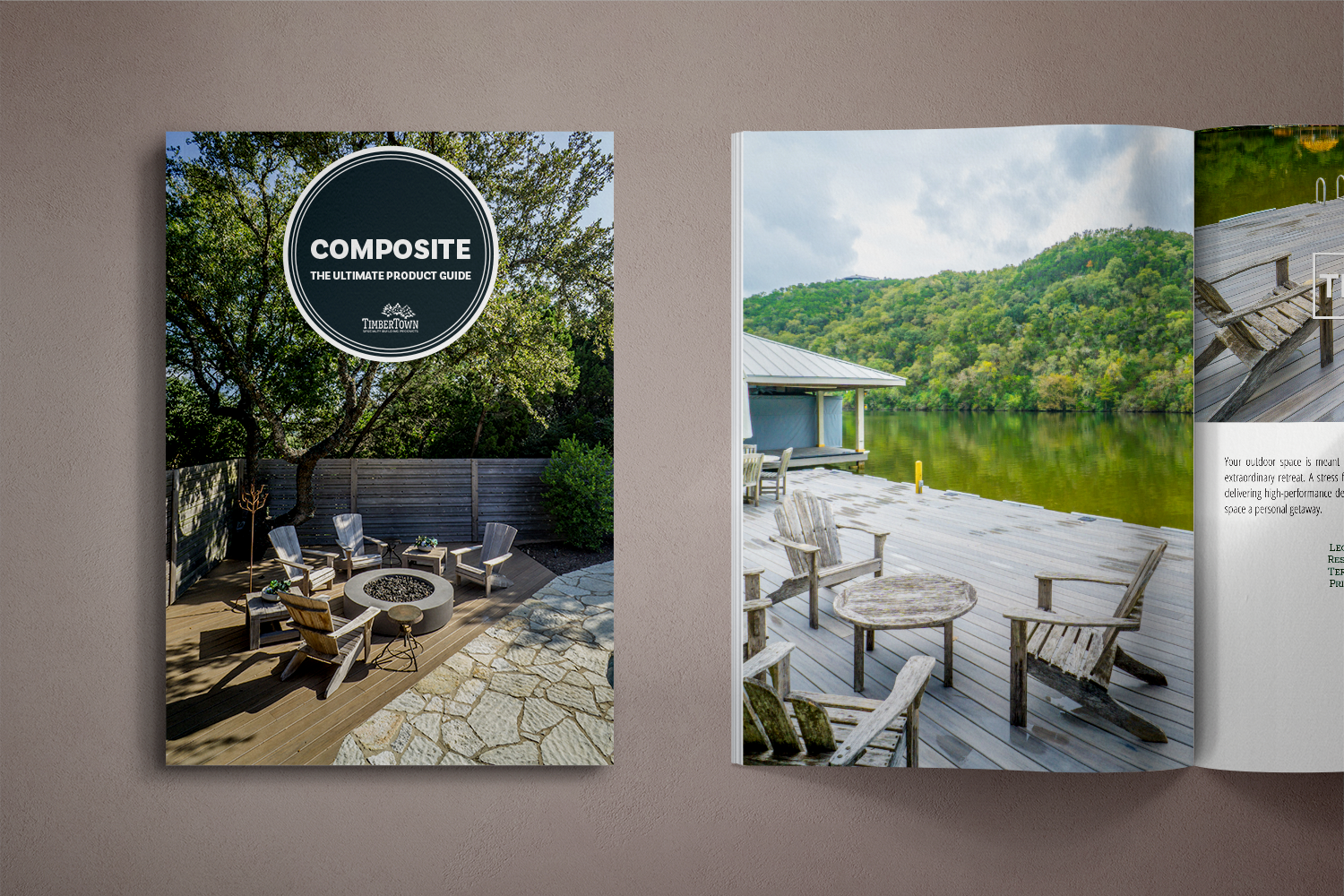
This guide pulls together the composite lines we stand behind, giving you a clear look at the options and helping you compare what actually matters before you make a decision.