
Lightweight Wood Species: Why Heavier Isn’t Always Better
Smart Materials Start with Balance
When people think about strength, they usually think about weight. Heavier must mean stronger, right?
Not necessarily.
Some of the earliest airplanes were built from wood. Sailboats still rely on lightweight species today. Engineers spend their careers trying to remove unnecessary weight without sacrificing performance. The goal isn’t to build something heavy. It’s to build something smart.
The same thinking applies to everyday projects around the house.
Nobody wants planter boxes they can’t move. Nobody wants patio furniture that requires two people to rearrange. Even something as simple as a floating shelf becomes more complicated when unnecessary weight starts adding stress to brackets and hardware.
Because once something is built, you still have to live with it.
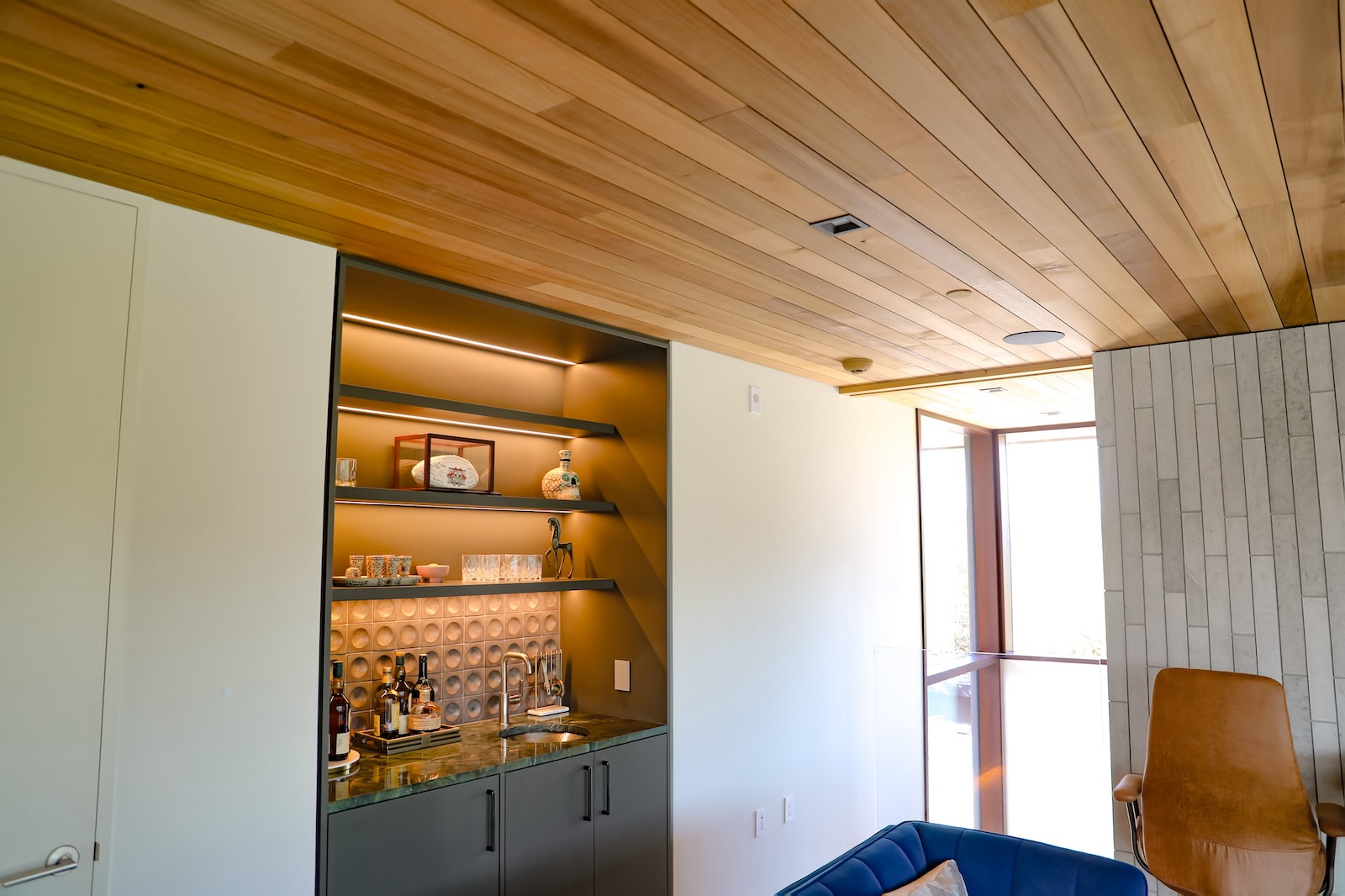
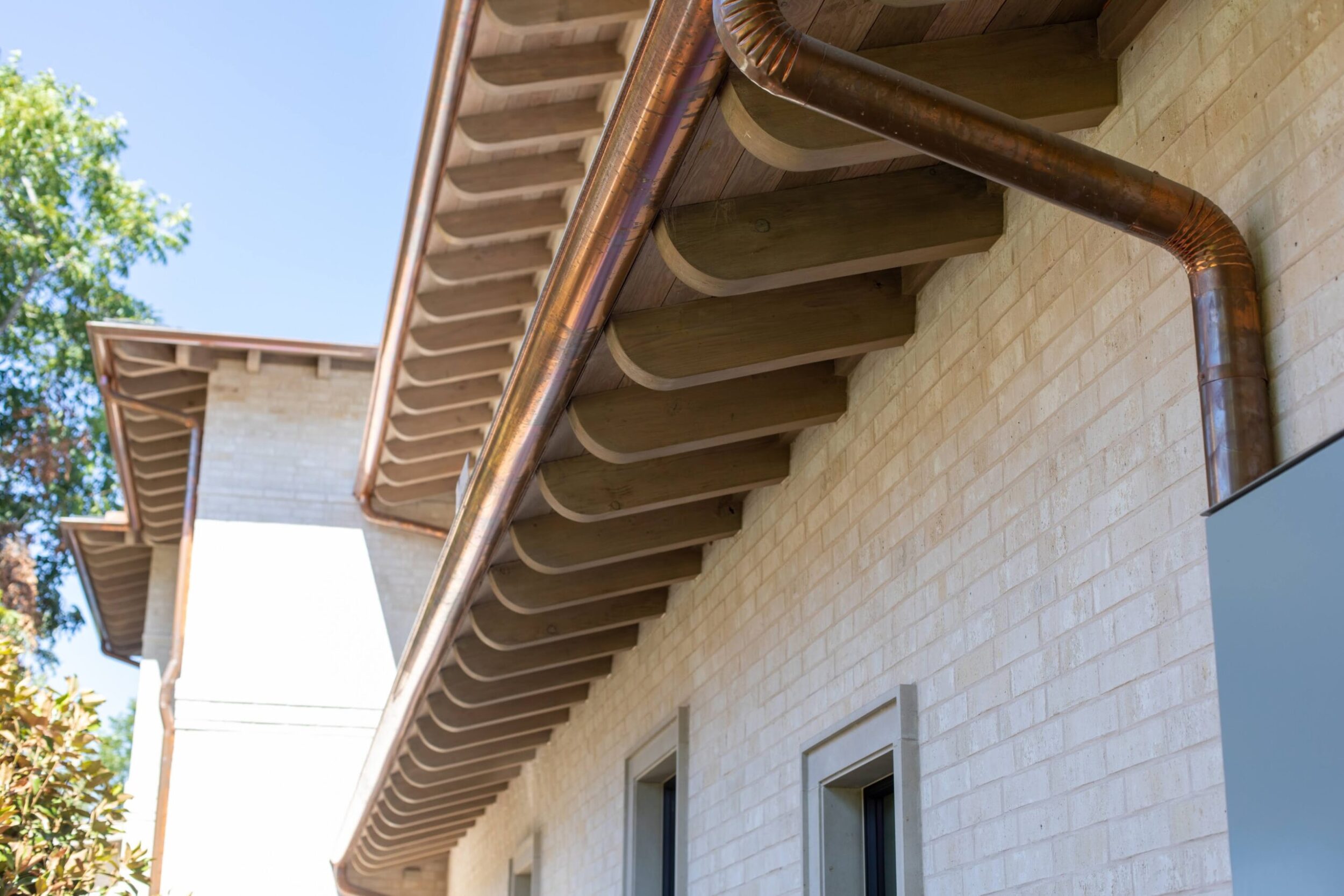
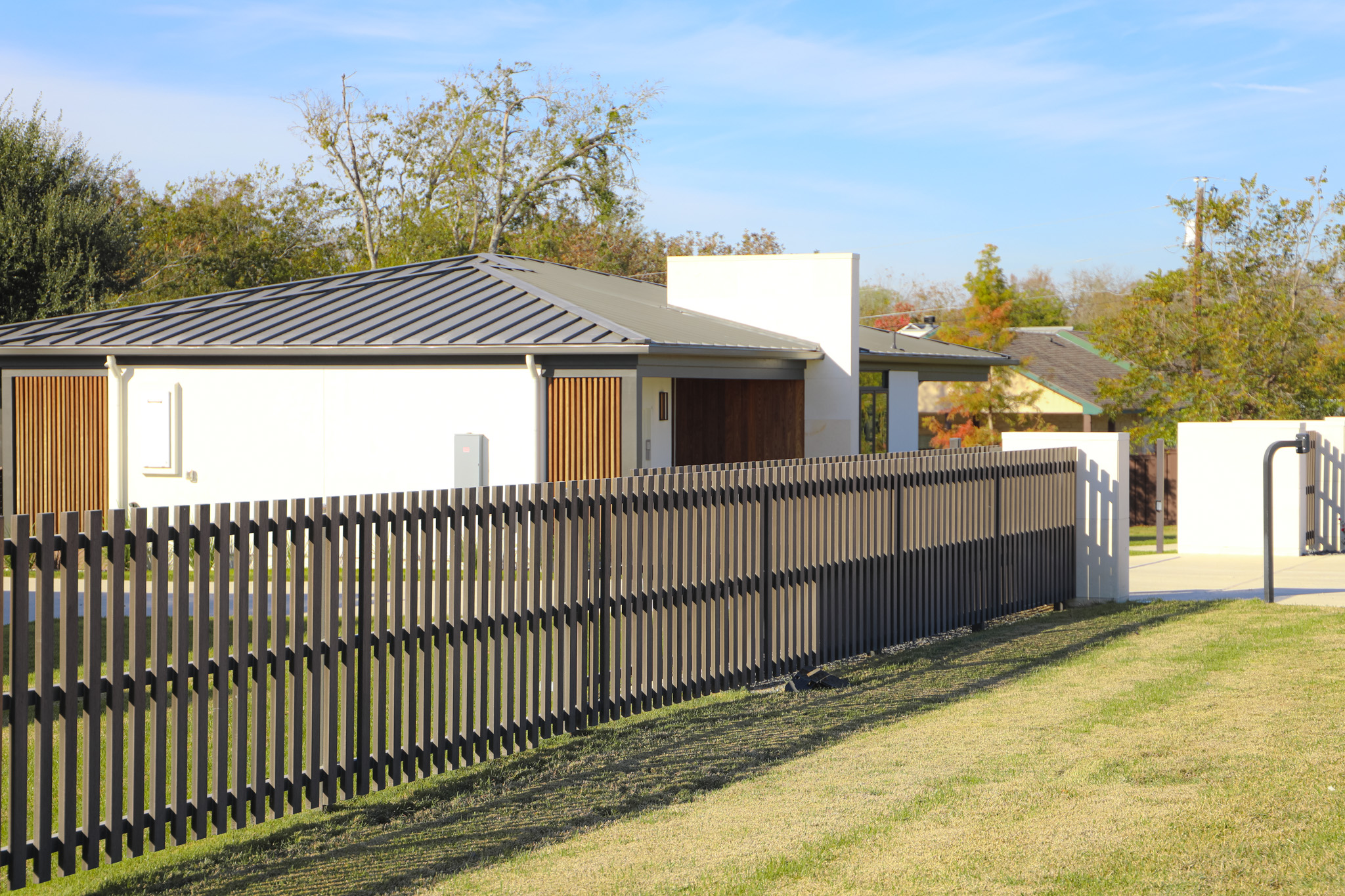

Understanding Wood Density
Part of that comes down to wood density. Wood density refers to how much a given volume of wood weighs, and it can vary depending on species and moisture content. But lighter wood doesn’t automatically mean weaker. In fact, many species offer impressive strength-to-weight ratios, which is why builders and engineers often focus on performance rather than weight alone.
Think about Douglas fir. It has been trusted for structural framing for generations because it delivers excellent strength without excessive weight. Sitka spruce became famous for the same reason and was used extensively in aircraft construction. The right material isn’t always the heaviest one. It’s the one that delivers the performance you need without adding weight you don’t.
Where Lightweight Woods Shine
Lightweight species have a way of making projects easier both during installation and years later.
Western red cedar, cypress, and redwood are all naturally resistant to moisture and insects while remaining easy to work with. Douglas fir offers structural reliability with a favorable strength-to-weight ratio. For interior projects, species like black walnut and ash strike a nice balance between beauty, durability, and workability.
Weight matters in ways people don’t always consider.
A lighter gate puts less strain on hinges. A planter box is easier to reposition when seasons change. Outdoor furniture becomes something you can actually rearrange instead of committing to forever. Shelves place less demand on fasteners and wall anchors. Pergolas and overhead elements become easier to install. On decks, balconies, and rooftop spaces, reducing weight can also help minimize structural loads.
Sometimes the smartest material choice is the one that makes life easier long after the build is complete.